Funeral Costs in Pennsylvania: 2026 Guide
This guide addresses key questions about arranging funerals or cremations in Pennsylvania, including applicable funeral laws and expected costs. With the average traditional funeral in Pennsylvania costing between $7,000 and $10,000, and that’s before a cemetery plot and grave marker are added to the total bill, it’s not hard to see why more and more families in Pennsylvania are considering cremation as an alternative.
Quick Facts: Funeral and Cremation Costs in Pennsylvania
| Service Type | Pennsylvania Average (Funeralocity 2026) | Low-Cost Alternative |
|---|---|---|
| Direct Cremation | $2,460 | From $695 (DFS Memorials) |
| Full-Service Cremation | $6,537 | Shop around for under $4,000 |
| Affordable Burial | $5,287 | Green burial from $1,500 |
| Traditional Full-Service Burial | $8,817 | Compare GPL pricing |
Why averages can be misleading: Funeral and cremation costs in Pennsylvania vary enormously. The averages above include higher-priced providers, which skew the numbers upward. By comparing prices and choosing a provider like DFS Memorials, Pennsylvania families can access direct cremation for between $695 and $1,695 depending on location.
For a detailed breakdown of cremation prices across major Pennsylvania cities, visit our Guide to Cremation Costs in Pennsylvania.
Choosing a Funeral Home or Cremation Provider in Pennsylvania
Pennsylvania has approximately 1,800 funeral homes, 1,000 cemeteries and memorial parks, and 500 crematories. Choosing a funeral home or cremation provider can be a challenge. Most people usually consider recommendations from family, friends, or associates with prior experience arranging a funeral.
However, you may have no recommendations or require something different. As people are shifting more towards cremation as a disposition option, this can often mean people are seeking out new service providers. Or, the cost has become such a significant factor in death care that many need to shop around to compare prices among funeral homes.
All funeral directors in Pennsylvania must be licensed, and the State Board of Funeral Directors regulates their licensure and practice. The State Board’s functions include formulating necessary rules and regulations to ensure proper conduct in the business or profession of funeral directing, safeguarding the public’s interests, and upholding the profession’s standards.
Pennsylvania has some unusual state laws regarding funeral practices. It is the only state where licensed funeral directors may own only funeral homes, and the funeral home’s name MUST be in the licensed funeral director’s name. According to state law, an individual licensee can own no more than two funeral homes, and only licensed funeral homes can sell some funeral-related products. Funeral homes are also NOT allowed to serve food.

Selecting an Affordable Cremation Provider in Pennsylvania
As demand for simple, affordable cremation services has increased, more funeral homes now offer cremation at reasonable prices. Those who have installed their own crematory can often offer the best cremation prices, as they control the cost and care, rather than using a third-party crematory.
Cremation Societies have also emerged to provide Pennsylvanians with access to membership and discounted cremation services.
Whether you opt for a burial or cremation, ensure you are dealing with a licensed funeral director. Funeral homes should display their licenses; if not, you can ask for the license number.
When you inquire about the cost of their services, all funeral establishments must provide you with a General Price List (GPL) that states an itemized breakdown of all services and merchandise. This aligns with the federal law on the sale of funeral services and products. The funeral director must also provide you with a Casket Price List and a price list for burial vaults by law, plus disclose information about ‘cash advances.’
Burial or Cremation in Pennsylvania?
This is probably the first thing you need to decide upon. Burial remains common in Pennsylvania, but the cremation rate is now approaching 53%. Across much of rural Pennsylvania, residents still opt to utilize family cemetery plots. However, our death care traditions are changing, and cremation is certainly becoming more popular.
You must do what is right for your circumstances, taking into account the deceased’s wishes and factors such as available funds for funeral expenses, the deceased’s location, and other relevant considerations.
Understanding Funeral and Cremation Costs in Pennsylvania
Unfortunately, many in the funeral profession do not disclose their prices on their websites or in advertising. It is fair to say that funeral costs vary significantly, even within the same area, for comparable services. For this reason, it is highly recommended that you shop around and compare costs.
DFS Memorials is a network of affordable cremation providers and all local family-owned funeral businesses. These providers guarantee to provide a basic direct cremation at a low cost.
All DFS Memorials providers guarantee to offer a ‘best value’ direct cremation package. A direct cremation can be arranged in Pennsylvania for between $695 and $1,695 (depending on your location).
Home Funerals in Pennsylvania
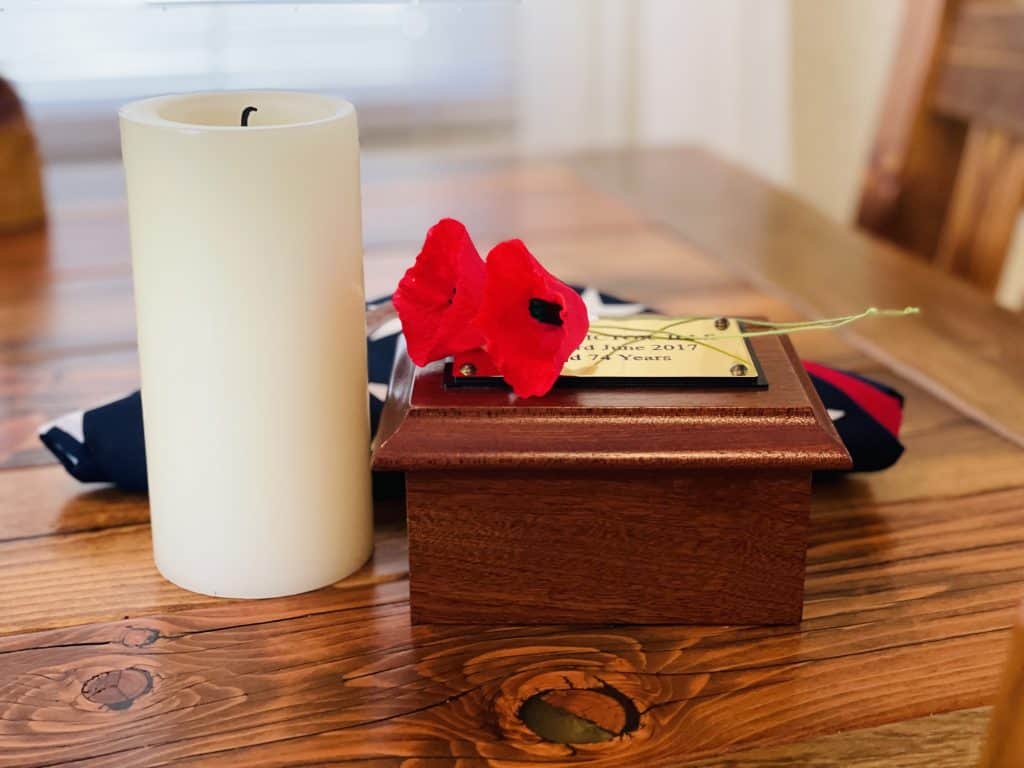
Yes, Pennsylvania law does not require you to use a funeral director’s services. However, suppose the family plans not to use a funeral director but wishes to remove the body through a family member. In that case, the Department of Health will instruct the hospital not to release the body until the family files the death certificate with a local registrar and returns to the hospital with the burial (disposition) permit in hand.
This assumes the body is not dead from a contagious disease. In rural parts of Pennsylvania, families often choose to coordinate their services and burials on a family cemetery plot.
Cremation Requirements in Pennsylvania
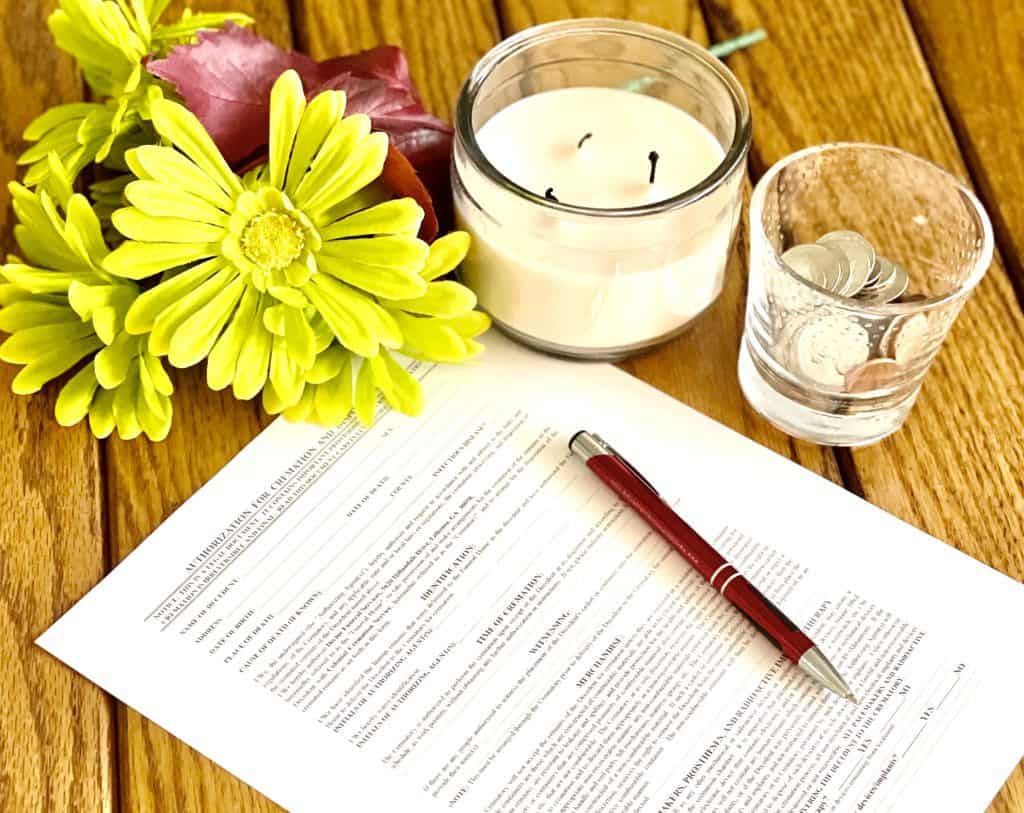
A cremation with a service can be conducted just the same as a standard funeral service, with the body in repose. In that case, cremation is performed after the service instead of burial. This means no cemetery plot, burial vault, or casket is required. A casket is not required for cremation, but a combustible container is required. Many funeral homes offer a rental casket for a service or viewing.
Pennsylvania has a mandatory 24-hour waiting period before a cremation can be performed. This is common practice across the U.S., although the period ranges from 24 to 48 hours by state.
A Cremation Authorization form must be correctly signed by the next of kin, and a permit to cremate is issued by the local county.
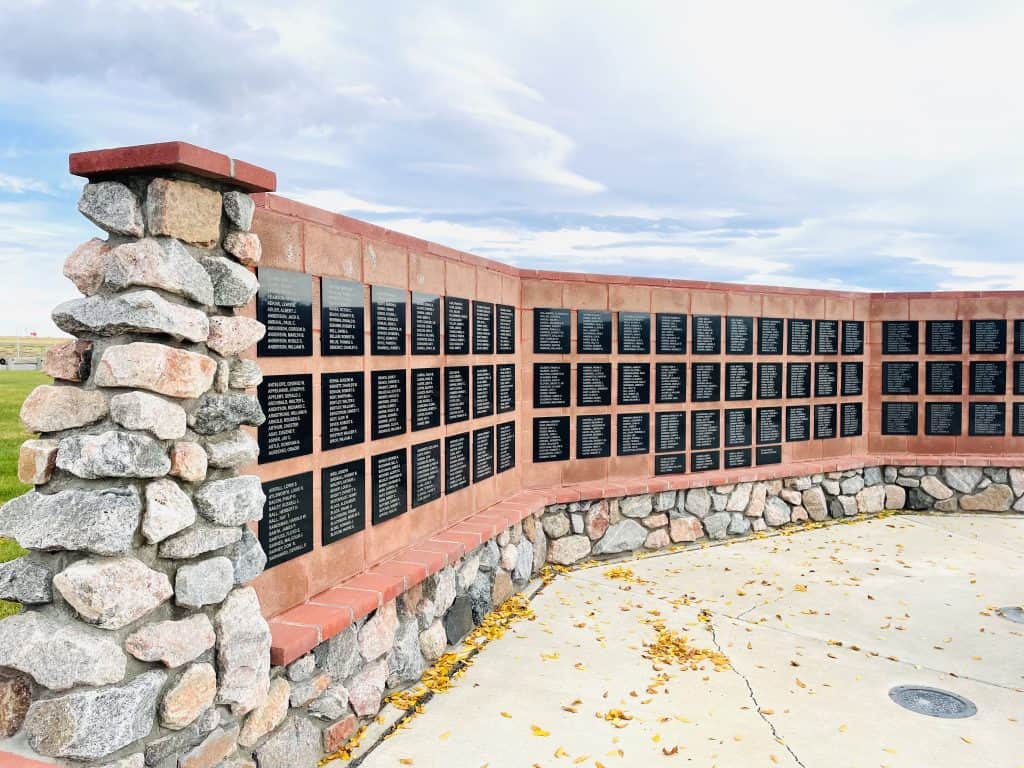
A family can conduct a memorial service once the cremated remains are returned. This is the simplest and cheapest means of disposition today. Cremated remains can be buried in a cemetery plot or cremation garden, interred in a columbarium, kept at home, or scattered.
Visit our Ultimate Guide to Cremation to read more about cremation services.
For a comprehensive comparison of cremation service types, pricing by city, and tips for saving money, visit our Guide to Cremation Costs in Pennsylvania.
Burial and Cemetery Plot Requirements in Pennsylvania
You can bury your loved one on your private cemetery plot if you have one. Nothing in state law prohibits a burial on private, family property. The family should check with the local zoning or code enforcement officer. Philadelphia and Pittsburgh have ordinances prohibiting human burials anywhere but in an established cemetery.
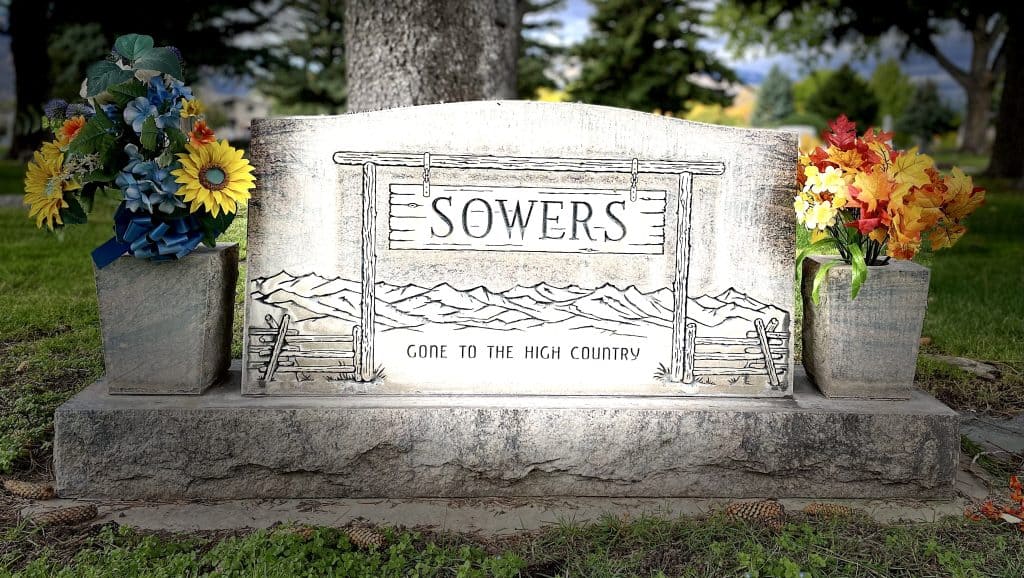
All cemeteries have their own policies regarding specific criteria for vaults, grave liners, and grave markers. Pennsylvania law does not require a vault, casket, or coffin. Federal Funeral law states that you do NOT have to purchase a casket from your funeral director, and your funeral director CAN NOT refuse to accept a casket purchased online.
Most cemeteries impose their own regulations to maintain their grounds. Vaults help maintain the integrity of the burial plot, especially as the ground is exposed to extreme heat and cold in the Pennsylvania climate.
There are many small family cemeteries across rural Pennsylvania, where a fence encases a small plot of land and holds the family entombments. If you are considering using private land as a family burial plot, ensure that you consult lawyers so that the deeds are written so that the family can still gain access if the land is sold.
Perpetual care is the maintenance of the cemetery, including the grounds, roads, and any buildings or mausoleums. It does not usually specifically include maintenance of monuments, so you should check what provision is in place for any ongoing care for grave markers. Already own a plot you no longer need? See our guide to buying and selling cemetery plots.
Green Funerals and Natural Burial in Pennsylvania
There is growing interest in green funeral alternatives today. Several funeral homes in PA offer green burial services and green cemeteries. With rising environmental and climate change concerns, moving towards a more sustainable option for death care is paramount.
Check out our Guide to Arranging a Green Funeral in Pennsylvania and our Green Burial Directory to locate green cemeteries.
Pre-Planning a Funeral or Cremation in Pennsylvania
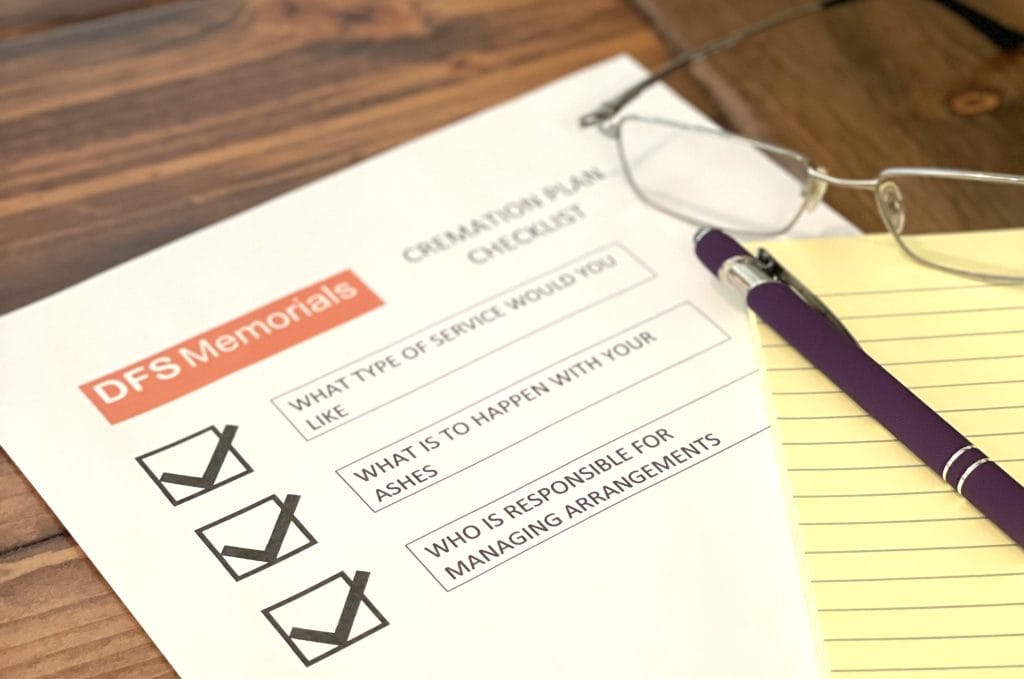
Preplanning a funeral is a good way to spare the surviving family the emotional and financial burden of a funeral. These days, it can also be a wise choice when the funds allotted to a funeral plan are not considered if you require senior aid and are assessed later.
In Pennsylvania, preneed contracts must be funded through a trust or escrow account, and only licensed funeral directors can sell preneed funeral contracts. Cemeterians can sell preneed goods.
Another alternative is to consult a funeral home, decide upon your needs, document your wishes, and set aside appropriate funds in a payable-on-death (POD) account or Totten Trust. In this case, you identify a beneficiary who can draw the funds on your death without the need for probate.
End-of-Life Support & Death Doula Services in Pennsylvania

Planning for end-of-life care is about more than legal documents or funeral arrangements — it’s about ensuring comfort, clarity, and dignity during one of life’s most vulnerable transitions. End-of-life support professionals, often known as death doulas or end-of-life doulas, provide non-medical, holistic guidance to individuals and families before, during, and after death.
Their services may include advance care planning, emotional and spiritual support, legacy projects, family advocacy, bedside presence, and grief support, all tailored to the laws, resources, and care options available in Pennsylvania.
Whether working alongside hospice or supporting families independently, death doulas help reduce fear, ease decision-making, and ensure that a person’s final wishes are understood and honored. Families can explore local end-of-life doulas and support services through our Pennsylvania Death Doula Directory.
Embalming Laws in Pennsylvania
No, embalming is NOT required by law in Pennsylvania, although it may be required if the body is being transported out-of-state or out of the U.S. Some entombment mausoleums may have stipulations about embalming. A funeral director may recommend embalming if visitation is required before the funeral.
If you do not want to have your loved one embalmed, no law stipulates it unless for public health reasons. Do not be pressured into embalming unless it is required due to reasons for delaying the funeral or viewing purposes.
Purchasing a Casket or Alternative Container
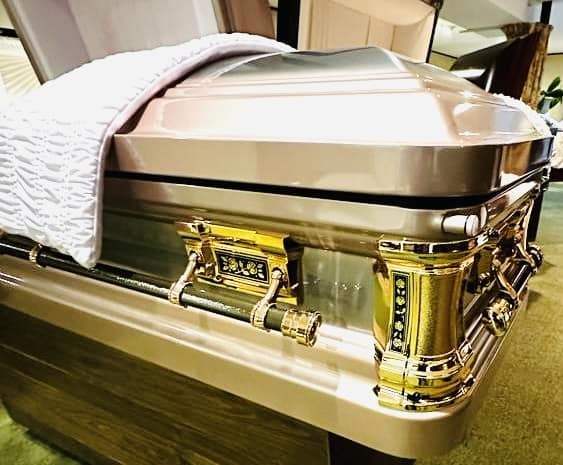
Fortunately, you can now purchase a casket from a third-party seller. This was brought about by the Federal Trade Commission’s (FTC) ‘Funeral Rule.’ It gives you the right, as a consumer, to purchase a casket from a source other than your funeral home. This can significantly reduce your overall funeral expenses.
It used to be that a standard casket from a funeral home could start at around $2,500, as funeral homes added a huge markup to the wholesale price. But now you can purchase a standard casket for as little as $995.
Your funeral home must accept your casket and may not charge a handling fee.
Laws for Scattering Ashes in Pennsylvania
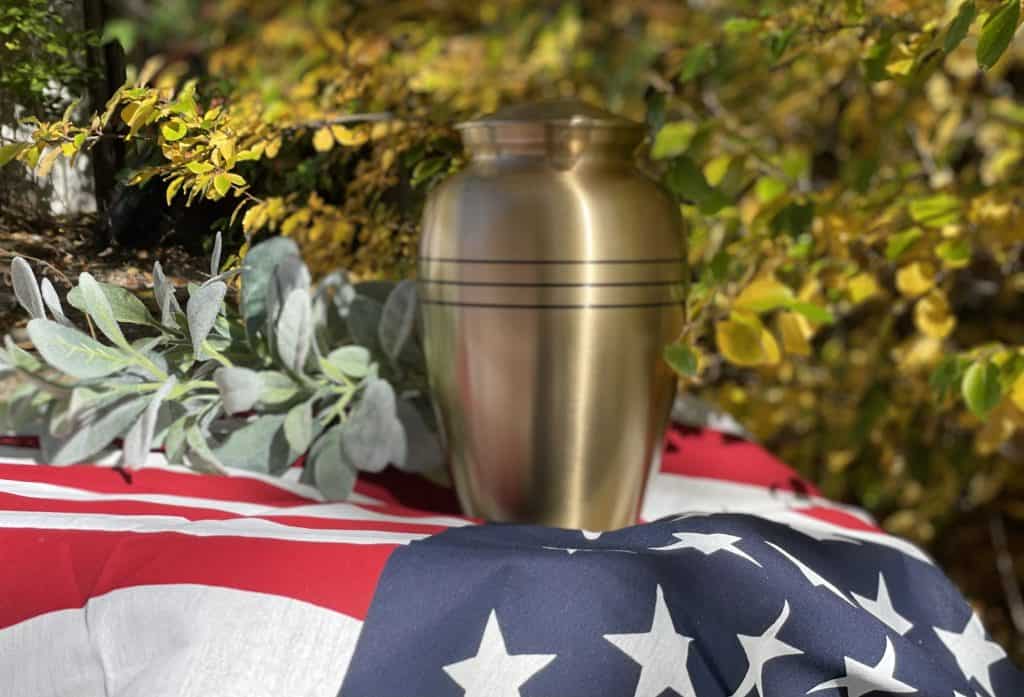
With the increase in cremation, ash scattering is becoming more popular. Pennsylvania has beautiful rural landscapes, making it a wonderful place to hold an ash scattering ceremony.
Cremated remains are considered sterile and organic in nature. In fact, the phosphates that make up part of cremains are actually natural fertilizers.
You can legally scatter remains on private land if you have the landowner’s permission. There are 120 state parks in Pennsylvania, and scattering of ashes is permitted with Bureau approval. Individuals can pursue approval by discussing their intentions with the park manager of the state park site they are interested in.
The park manager will need details such as the date, time, process, and location as part of the approval process and may approve the activity, provided there are no conflicts or operational issues. Park approval may be verbal or in writing, and there is no charge for this approval.
Financial Assistance with Funeral Expenses in Pennsylvania

It is a sad reality in our world today that more and more people are finding themselves unable to pay for the cost of a funeral. There are benefits available to veterans and their spouses to assist with funeral expenses. You should visit our section on veteran funerals for more information.
Social Security pays $255 to those who have worked long enough and qualify, and most local Human Services offices have funds to help those who are most in need and have no money to cover funeral costs. However, this will provide only minimal assistance for the most basic services.
What If Your Loved One Dies Away from Pennsylvania?
These days, with a more mobile population, deaths can commonly occur away from home. If a death occurs in another state, you will need to make arrangements to transport the body back to Pennsylvania. A funeral home at the place of death will need to assist you in collecting the body and preparing it for transportation.
Another option is for a cremation to be conducted at the place of death, and the cremated remains then shipped home.
To learn more about what to do when a loved one dies away from home, visit our funeral shipping page.
If you do regularly travel for work, pleasure, sport, visiting family, or snow-birding, you may wish to consider our great value Travel Protection Plan. This plan costs just $450 for an individual for lifetime protection against the costly expense of returning a body home if a death occurs 75 miles (or further) from your residence. It also provides global coverage. Domestic funeral shipping can cost from $3,000, and International repatriation can start at around $6,900.

Visit our article on Travel Protection: Your Guide to Affordable Funeral Shipping, or click on the link above to enroll today.
Whole-Body Donations in Pennsylvania
Donating a body to science is emerging as a new end-of-life option. If you are interested in an anatomical gift, additional information on donating a body in Pennsylvania is available on our Body Donation page.
Some Pennsylvania institutions accept body donations, but you must carefully check the details. Some institutions charge for the donation process, and it can take some considerable time for cremated remains to be returned to the family.
Funeral Home Complaints in Pennsylvania
The State Board of Funeral Directors regulates the licensing of funeral directors in the Commonwealth of Pennsylvania. If you have a complaint regarding the services or products you have purchased from a funeral director, you can make a written complaint to the Pennsylvania Funeral Directors Association’s Grievance Committee.
Grievance Committee c/o PFDA, 7441 Allentown Boulevard, Harrisburg, PA, 17112
Alternatively, you can also contact the Pennsylvania Cemetery Cremation and Funeral Association (PCCFA), which supports industry professionals and consumers in the sale and purchase of funeral services in the state.
Pennsylvania Cemetery Cremation and Funeral Association (PCCFA)
100 S. 21st Street, Harrisburg, PA 17104
Telephone: 717-236-9970
Sending flowers to a funeral in Pennsylvania? Our funeral flowers guide covers what to send, typical costs, card messages, and how to make sure flowers reach the funeral home in time.
Related Articles:
- Understanding the FTC’s Funeral Rule and how it affects your rights when arranging a funeral
- Glossary of Funeral Terms: How to Understand the General Price List
- Understanding cremation laws and how they affect arranging a cremation
Resources:
Guide to Cremation Costs in Pennsylvania
DFS Memorials – Save on Cremation Costs in Pennsylvania


