Funeral Costs in Georgia: 2026 Guide
Losing a loved one is never easy, and understanding funeral costs in Georgia helps you make informed decisions during a difficult time. Whether you’re planning ahead or arranging services now, this comprehensive guide covers traditional funerals, cremation options, green burials, financial assistance programs, and state regulations so you can honor your loved one while managing expenses responsibly.

Quick Facts: Funeral Costs in Georgia
Planning a funeral in Georgia requires understanding the range of costs you’ll encounter. Georgia’s funeral industry offers diverse options to suit different budgets and preferences. According to Funeralocity data, a traditional full-service burial in Georgia averages around $8,552, while families seeking simpler options can arrange direct cremation starting from $795 in the Atlanta area ($1,295 elsewhere in Georgia) through providers like DFS Memorials. The cost breakdown depends significantly on your chosen service type, location, funeral home, and any additional services or merchandise you select.
Important Fact: Cremation rates in Georgia are steadily climbing. More families are discovering the cost-effectiveness and flexibility of cremation options. According to current data, direct cremation averages around $1,918, full-service cremation runs approximately $6,340, and traditional full-service burial averages $8,552. Green and natural burial options also provide affordable, environmentally conscious alternatives starting from $3,295.
The costs listed below vary based on whether you choose traditional burial, cremation, or green burial methods. Each service type includes different components, and understanding what’s included helps you compare prices fairly across funeral homes.
| Service | Typical Cost in GA | What is Included | Best For |
|---|---|---|---|
| Direct Cremation | From $795 | Transfer of deceased, basic services of funeral director, cremation process, temporary urn | Families wanting the simplest and most affordable option |
| Cremation with Memorial Service | $2,750 – $4,500 | Direct cremation plus memorial service planning and use of chapel or venue | Families who want a ceremony but without the cost of burial |
| Full-Service Cremation | $6,340+ | Embalming, viewing/visitation, rental casket, funeral service followed by cremation | A more traditional funeral experience with cremation |
| Traditional Full-Service Burial | $8,552+ | Embalming, viewing, funeral ceremony, casket, burial vault, cemetery fees | Families choosing traditional burial and graveside service |
| Affordable Green Burial | From $3,295 | Eco-friendly burial without embalming, biodegradable casket or shroud, natural setting | Families seeking an environmentally conscious and affordable burial |
Beyond the main funeral costs, you’ll also need to budget for supporting expenses. Georgia charges $25 for the first copy of a death certificate and $5 for each additional copy. Many families order multiple copies since numerous institutions—banks, insurance companies, employers, and government agencies—often require originals.
Additionally, the Social Security Administration provides a one-time death benefit of $255 to help cover funeral costs if the deceased was receiving Social Security benefits.
Understanding Your Funeral Cost Breakdown

Funeral costs break down into several distinct categories. Understanding each component helps you identify where you might save money or invest more, depending on your priorities. When reviewing funeral home quotes, always ask for an itemized breakdown rather than accepting package pricing, which often includes unnecessary services. This transparency is protected by the FTC Funeral Rule, which we’ll discuss in detail later.
Funeral Home Services and Overhead: This is the largest portion of funeral costs and covers the funeral home’s basic services, administrative support, equipment, facilities, and staff time. These charges include coordination of all arrangements, handling of permits and paperwork, and access to the funeral home’s facilities. The cost typically ranges from $1,500 to $3,000, depending on the funeral home’s overhead and location within Georgia.
Caskets and Containers: The container you choose significantly impacts your final bill. For cremation, a simple cardboard or plywood cremation container might cost $50 to $300. However, if you’re planning a viewing or visitation before cremation, you may want to rent a casket (around $300–$800) or purchase one. Metal caskets typically range from $2,000 to $5,000, while wood caskets can cost $1,500 to $4,000.
We have a detailed guide to buying a casket that explains how to find better prices and understand your options.
Burial and Disposition Costs: If choosing burial, cemetery plot costs in Georgia range from $500 to $3,000 or more, depending on location and cemetery type. The cemetery will also charge for grave opening and closing (preparation and backfill), which typically costs $500 to $1,500. These cemetery charges are separate from the funeral home’s service fee and are paid directly to the cemetery.
Vaults and Grave Liners: While Georgia law does not mandate vault or grave liner purchases, most cemeteries in the state require them to prevent grave collapse and simplify lawn maintenance. A standard grave liner costs $700 to $1,200, while a full vault (which provides more protection) runs $1,000 to $2,500. These protective containers are placed in the ground before the casket is lowered.
Professional Services: Embalming is one of the highest discretionary costs, typically ranging from $400 to $800. Embalming is not required by Georgia law except in specific circumstances (such as shipment across state lines or delays before burial), so you can decline this service to save money. If the deceased will be viewed or embalmed, the funeral home charges for preparation and cosmetology (additional styling and makeup), usually $100 to $300. Funeral director services for coordinating the entire arrangement also factor into the total.
Flowers, Music, and Add-Ons: Flowers for the casket spray or memorial arrangements, organists or musicians, guest books, memorial cards, and programs all add to the final cost. These can range from minimal (if you keep it simple) to several hundred dollars for elaborate arrangements. Many families choose to direct contributions to charitable causes or provide simple printed programs instead.
Death Certificates and Permits: Georgia charges $25 for the first copy of a death certificate and $5 for each additional copy. You’ll also pay for certified permits from the local health department. The funeral home often obtains these for you and may charge an additional fee for this service.
Newspaper Obituaries and Clergy Fees: Publishing an obituary in the Atlanta Journal-Constitution or other Georgia newspapers typically costs $200 to $500 or more, depending on length and publication. If you have a clergy member leading the service, honorariums generally range from $100 to $300. Some churches include the clergy fee in their facilities rental.
Choosing a Funeral Home in Georgia

Georgia is home to approximately 1,000 licensed funeral homes, ranging from large regional chains to independent family-owned establishments. The sheer number of options gives you substantial leverage when negotiating prices and services. Every funeral director in Georgia must hold a state license issued by the Georgia Board of Funeral Service, ensuring professional standards and ethical conduct.
When selecting a funeral home, follow these best practices. First, consult our Georgia funeral home directory to identify licensed providers in your area. Then, contact at least two to three funeral homes to request their General Price Lists. These lists, which the FTC Funeral Rule requires all funeral homes to provide for free, show exactly what each service and item costs, allowing you to compare directly.
Visit funeral homes in person if possible. This personal interaction helps you gauge professionalism, compassion, and the quality of the facility. Ask detailed questions: Do they charge for the casket viewing room? Can you bring your own casket or urn? Do they offer discounts or package deals? Importantly, inquire whether they price items individually (itemized) or only in package bundles (package pricing).
The FTC Funeral Rule allows you to purchase items from outside vendors—caskets, urns, flowers—and have them used at your chosen funeral home at no additional charge.
Many Georgia funeral homes, especially smaller independent operators, welcome comparison shopping and are willing to work with families on pricing. The competitive market in Georgia has driven prices down significantly, especially for cremation services.
Burial in Georgia: Costs and Considerations

Traditional burial remains a popular option in Georgia and carries distinct costs beyond the funeral home services. Understanding cemetery options, plot selection, and perpetual care fees helps you budget realistically for this choice.
Cemetery Choices: Georgia offers three main types of cemeteries. Municipal and public cemeteries operated by city or county governments typically offer the most affordable plots, ranging from $300 to $1,000. Private cemeteries, owned and operated as businesses, charge $800 to $3,000 or more per plot, depending on location and amenities. Church cemeteries, available to members of affiliated congregations, often provide discounts and charge $250 to $1,500 per plot. Additionally, some rural areas have family cemeteries, which can be an economical option if your family has an established burial ground. You may also save by buying a resale cemetery plot from a private seller.
Plot Costs and Cemetery Fees: Beyond the plot purchase itself, you’ll pay grave opening and closing fees. These cemetery charges, typically $500 to $1,500, cover the labor of preparing the grave, lowering the casket, and backfilling the soil. Perpetual care fees, one-time charges that ensure the cemetery maintains your plot indefinitely, usually range from $100 to $500. Some cemeteries charge an annual maintenance fee instead (ranging from $25 to $100).
Vaults and Grave Liners: While not legally required in Georgia, nearly all cemeteries in the state require the use of a vault or grave liner to prevent ground settlement and protect the casket. A standard concrete grave liner costs $700 to $1,200, whereas a full vault with a sealed lid (providing greater protection) runs $1,000 to $2,500. Always confirm whether these costs are included in the cemetery’s quoted plot price.
Grave Markers and Monuments: The headstone or monument you place on the grave is an additional expense that can range dramatically depending on size, material, and design. Simple granite or marble markers cost $500 to $1,500, while elaborate monuments may exceed $5,000.
Our comprehensive guide to grave markers and memorials walks you through styles, materials, design considerations, and pricing to help you find an affordable yet meaningful memorial.
Cremation in Georgia: An Overview

Cremation is rapidly becoming the preferred end-of-life choice in Georgia and across the United States. This trend reflects both the lower costs of cremation and its flexibility in memorialization options.
Direct cremation, which removes unnecessary expenses from the funeral process, costs as little as $795 through providers in the DFS Memorials network, making it an accessible option even for families with limited budgets. Full-service cremation, which includes embalming, viewing, a funeral service, and then cremation, averages around $6,340 in Georgia.
One of the greatest advantages of cremation is scheduling flexibility. Unlike traditional burial, which must occur relatively soon after death, cremation allows families to plan a memorial service weeks or months in advance. Many families schedule cremation without an immediate service, then hold a memorial gathering at a later date when relatives can travel to Georgia or when the family is emotionally ready. This flexibility often results in more meaningful celebrations of life and can reduce overall costs.
Another advantage is portability. After cremation, the remains (called ashes or cremains) can be kept at home in an urn, scattered in meaningful locations, buried in a cemetery plot, interred in a columbarium niche, placed in a mausoleum, or even divided among family members. This flexibility often appeals to families with scattered members or those who want a more personalized approach to remembrance.
For a full breakdown of cremation pricing, options for handling ashes, Georgia cremation laws, and how to find a low-cost cremation provider, see our guide to cremation costs in Georgia.
Green and Natural Burial in Georgia

Georgia’s progressive approach to end-of-life care means there are no statewide laws prohibiting home funerals, green burials, or natural burial practices. This freedom offers environmentally conscious families an affordable and meaningful alternative to conventional funeral practices. However, note that Bibb County (where Macon is located) has specific restrictions on home burials, so if you’re in that county, verify local regulations.
Green Burial Options in Georgia: Green burial eliminates the use of embalming chemicals, uses biodegradable caskets or burial shrouds made from natural materials like cotton or wool, and places the body directly in the earth to decompose naturally. This approach is both environmentally responsible and affordable, starting from $3,295 through DFS providers. The body nourishes the soil as it returns to nature, and many green cemeteries become beautiful natural preserves.
Honey Creek Woodlands: Georgia’s premier green burial destination is located at 212 Highway 212 SW in Conyers, Georgia. This conservation burial ground provides a serene woodland setting where families can arrange eco-friendly burials with the support of trained staff.
For more information about green burial options across the state, consult our green burial directory.
DFS Memorials Green Burial Services: The DFS Memorials network in Georgia offers green burial arrangements starting from $3,295. To learn more and discuss your preferences, contact Kevin at (470) 206-0404. For a detailed walkthrough of arranging an eco-friendly funeral in the Atlanta area, read our guide to arranging a green burial in Atlanta.
Aquamation (Alkaline Hydrolysis): Beyond traditional green burial, some families in Georgia explore aquamation, also called alkaline hydrolysis or water cremation. This emerging technology uses heated water and chemicals to reduce the body to its mineral components, resulting in a smaller carbon footprint than flame cremation.
Learn more about aquamation and its availability in Georgia through our comprehensive guide.
Embalming and Georgia Law
A common misconception is that embalming is legally required after death in Georgia. This is false. Georgia law does not mandate embalming in any circumstance. Embalming is a business practice used to preserve the body for viewing and is entirely optional. You have the right to decline embalming and can direct the funeral home to proceed with cremation, immediate burial, or direct disposition without preserving the body.
When Funeral Homes May Require Embalming: While not legally mandated, some funeral homes may require embalming if you request an open casket viewing or visitation. They justify this requirement for aesthetic and health reasons, claiming the body needs preservation for public viewing. However, this requirement is negotiable. Many funeral homes offer alternative approaches: refrigeration at no charge, a brief viewing period without embalming, or closed casket services. Always ask whether a specific funeral home will work with you on this point.
Embalming Costs: If you do choose embalming, expect to pay $400 to $800 for the basic service. Additional cosmetology services (hair and makeup styling) typically cost $100 to $300 more. These costs should appear as separate line items on the funeral home’s General Price List.
No Fixed Waiting Period: Georgia law does not set a minimum waiting period before cremation. The local registrar issues the disposition permit, and a coroner or medical examiner must approve it if they are investigating the death. This allows time for the deceased to be properly identified and for any legal holds or investigations to be communicated to the funeral home. Allow a few days for paperwork and permits when planning.
Georgia Funeral Regulations and Your Rights

Understanding your consumer rights protects you from unnecessary expenses and unethical practices. Both federal and Georgia state laws provide important safeguards when arranging funeral services.
The FTC Funeral Rule: The Federal Trade Commission’s Funeral Rule requires all funeral homes to provide a free, itemized General Price List. This list must clearly separate each service and merchandise item with its individual price, allowing families to choose exactly what they want rather than being forced into expensive package deals. The Funeral Rule also protects your right to:
• Use a casket purchased from any source (including online retailers) without the funeral home charging a handling or usage fee
• Use an urn purchased from any vendor without additional charges
• Decline unnecessary services like embalming, viewing room rental, or guest books
• Receive a written itemized bill before paying
• Receive a casket price list, including rental caskets if offered
Georgia Board of Funeral Service: This state regulatory body oversees funeral directors and funeral establishments in Georgia. If you have a complaint about funeral home conduct, service quality, or adherence to state regulations, you can file a formal complaint with the Georgia Board of Funeral Service:
Georgia Board of Funeral Service
237 Coliseum Drive
Macon, GA 31217
Phone: (478) 207-2440
Who Can Make Funeral Decisions: Georgia law establishes a clear order of priority for who can authorize funeral arrangements if the deceased left no written instructions. This hierarchy is important in families with disputes. The order is: spouse, adult children (age 18+), parents, and siblings. If you’re unsure whether you have legal authority to make arrangements, ask the funeral director to explain the law and clarify who has decision-making power in your situation.
Container Requirements: Georgia law does not require a casket for ground burial—only that the body be placed in a container. However, many cemeteries require burial vaults or grave liners. For cremation, Georgia requires only a “rigid combustible container,” which can be a simple cardboard box, plywood container, or cloth shroud. Metal caskets are never necessary for cremation and waste money.
Pre-Planning Your Funeral and Setting Aside Funds

Pre-planning your funeral while you’re healthy and thinking clearly provides immense peace of mind. It also locks in current prices, protects your loved ones from making expensive decisions under emotional stress, and ensures your wishes are respected. Pre-planning doesn’t mean you must pay for services immediately—there are several funding options.
Discussing Preferences with Family: Begin by having candid conversations with close family members about your values regarding death, memorial, and end-of-life decisions. Discuss whether you prefer burial or cremation, the type of service (traditional funeral, memorial service, or small gathering), any religious or cultural preferences, and your budget constraints. Document these preferences in writing and share copies with family members and your executor.
Pre-Paid Funeral Plans: In Georgia, only licensed funeral directors may sell preneed (pre-paid) funeral contracts. These contracts lock in current prices for specified services and merchandise. Important note: Georgia requires that preneed funeral funds be held in trust, ensuring your money is protected even if the funeral home closes or changes ownership. Before purchasing a preneed plan, verify the funeral home’s reputation, confirm the plan’s terms in writing, and understand any cancellation policies or transfer options if you move.
Funeral Savings Accounts and POD Accounts: An alternative to preneed plans is establishing a funeral savings account or a Payable-On-Death (POD) account with a bank. These accounts allow you to set aside funds specifically for funeral expenses, and the money passes directly to a designated beneficiary upon your death, bypassing probate. This approach offers flexibility—you control the funds, can adjust the amount, and can decide how the money is used. Learn more about funeral savings options and how to set up accounts that protect your funeral funds.
Creating a Funeral Planning Document: Gather all relevant information in one place. Include your preferred funeral home (or top choices), preferred service type and location, any cultural or religious preferences, memberships in fraternal organizations that offer funeral benefits, insurance policy numbers, bank account information for accessing funds, and names of people to notify. Store this document in a secure, accessible location and tell your executor or closest family member where to find it.
Organizing Important Documents: In the chaos following death, families often struggle to locate critical documents. Create a centralized file containing: life insurance policies, cemetery plot deeds, prepaid funeral plans, bank account information, Social Security card, birth certificate, marriage license, will, power of attorney, and healthcare directive. Keep original documents in a safe deposit box and provide your executor with a list of all accounts and their locations.
Death Away from Home: Funeral Shipping
If your loved one passes away outside Georgia, transporting the body back home for funeral services or burial involves significant costs. Understanding funeral shipping expenses helps you plan realistically and explore your options.
Domestic Funeral Shipping Costs: Transporting remains within the United States typically costs $3,000 to $5,000 or more, depending on distance and the funeral home’s handling. This includes embalming (often required for transport), a shipping container, airline fees, ground transportation, permits, and coordination between funeral homes. For example, shipping a body from California to Georgia would fall at the higher end of this range.
International Funeral Shipping Costs: If death occurs outside the United States, costs escalate significantly. International funeral shipping ranges from $6,900 to $15,000 or more, depending on the originating country, required documents, customs clearance, and complexity of arrangements. Our comprehensive funeral shipping guide walks through the process, requirements, and cost-saving strategies when arranging transport of remains across international borders.

Travel Protection Plan: For families concerned about the risk of death away from home, the DFS Memorials Travel Protection Plan offers affordable coverage. For just $450 for an individual policy (or a family plan at comparable rates), you receive lifetime protection covering funeral transportation expenses. The plan covers death occurring 75 or more miles from your home, includes global coverage for travel abroad, and provides up to $5,000 in transportation reimbursement.
Learn more about Travel Protection Plan coverage and how it provides peace of mind during travel.
End-of-Life Support & Death Doula Services in Georgia

Planning for end-of-life care in Georgia is about more than legal documents or funeral arrangements — it’s about ensuring comfort, clarity, and dignity during one of life’s most vulnerable transitions. End-of-life support professionals, often known as death doulas or end-of-life doulas, provide non-medical, holistic guidance to individuals and families before, during, and after death. Their services may include advance care planning, emotional and spiritual support, legacy projects, family advocacy, bedside presence, and grief support, all tailored to the laws, resources, and care options available in Georgia.
Whether working alongside hospice or supporting families independently, death doulas help reduce fear, ease decision-making, and ensure that a person’s final wishes are understood and honored. Families can explore local end-of-life doulas and support services through our Georgia Death Doula Directory.
Veteran Benefits and Military Funeral Honors
Veterans and service members have access to specific funeral benefits and honors that can significantly reduce out-of-pocket funeral costs and provide meaningful military recognition.
Social Security Death Benefit: If the deceased was receiving Social Security benefits, their Social Security account automatically receives a one-time death benefit of $255, payable to the surviving spouse or dependent children. This modest benefit can help offset funeral expenses.
Military Burial Honors: Veterans who served honorably in the U.S. Armed Forces are entitled to military funeral honors. This includes a flag-folding ceremony and two uniformed service members presenting the American flag to the family. These honors are provided at no cost and add profound meaning to veteran funerals. The funeral home can coordinate military honors, or you can contact the deceased veteran’s branch directly.
National Cemetery Burial: Eligible veterans can be buried at a Veterans Administration cemetery at no cost. Georgia’s nearest major VA facility is Georgia National Cemetery in Canton, Georgia. Burial is free, though the family pays for the casket and transportation to the cemetery. For eligibility verification and burial arrangements, contact the Veterans Affairs office at 1-800-827-1000 or visit www.va.gov to find Georgia-area burial options.
Veterans Cremation Benefits: Many states, including Georgia, offer cremation benefits to low-income veterans. Check with the Georgia Department of Veterans Service to determine whether cremation assistance is available to your veteran family member.
Body Donation in Georgia
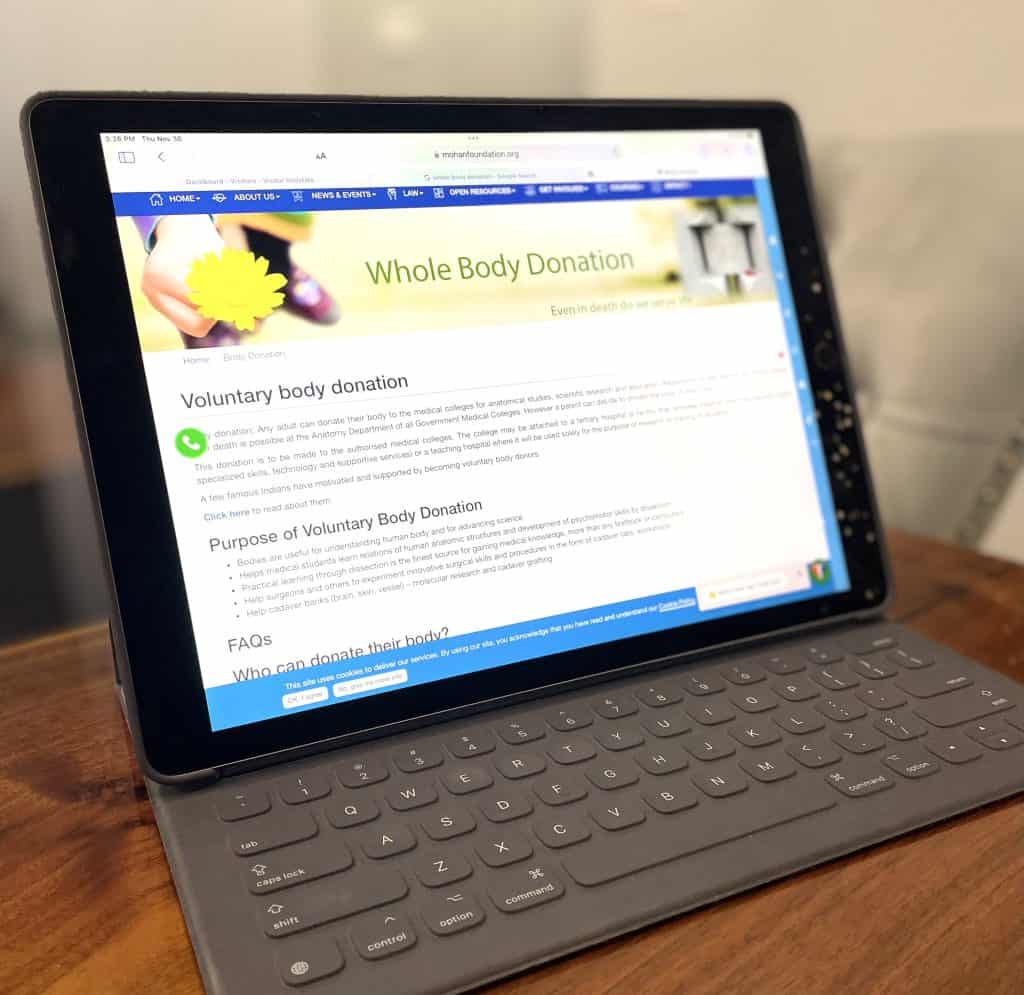
Body donation for medical research and education is a meaningful and often cost-effective end-of-life choice. Georgia is home to several accredited medical schools that welcome body donations from deceased residents and their families. Body donation programs handle all costs of transportation, preparation, and final disposition, often resulting in zero funeral expenses for families who choose this path.
Medical Schools Accepting Body Donations in Georgia:
• Emory University School of Medicine (Atlanta) – Emory’s Anatomical Donation Program accepts whole-body donations for medical education and research.
• Philadelphia College of Osteopathic Medicine (Suwanee, GA campus) – Offers a body donation program for osteopathic medical training.
• Medical College of Georgia at Augusta University (Augusta) – Accepts body donations through its body donation program.
• Mercer University School of Medicine (Macon) – Provides opportunities for body donation to support medical education.
• Morehouse School of Medicine (Atlanta) – Accepts body donations from individuals and families interested in supporting medical training for minority populations.
If you’re interested in donating your body, contact the medical school directly to learn about its specific programs, eligibility requirements, and registration process. Some schools require registration before death, while others accept donations arranged by families after death.
Our comprehensive body donation guide provides detailed information about how the process works, what happens to donated bodies, and how to register your wishes.
Ash Scattering and Memorial Options After Cremation
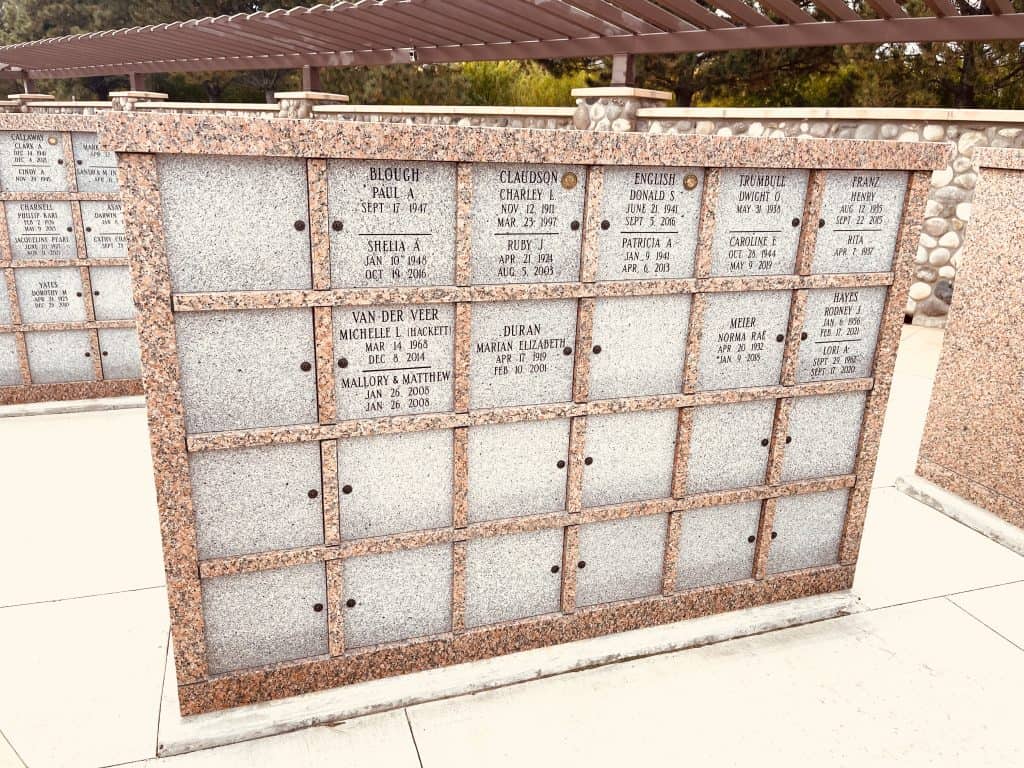
After cremation, Georgia law provides several meaningful options for handling and memorializing the cremated remains. Understanding these choices helps families select the option that best honors their loved one’s memory and values.
Georgia Ash Scattering Laws: Georgia law is permissive regarding ash scattering and allows families significant freedom in how they dispose of cremains. You may legally:
• Keep the remains at home in an urn or container
• Place cremains in a grave alongside other family members
• Interr cremains in a columbarium niche at a cemetery or memorial garden
• Entomb cremains in a mausoleum
• Scatter cremains on your own private land (with written permission from the property owner)
• Scatter cremains on designated public land such as parks or forests (confirm with local authorities)
• Scatter cremains on public waterways or uninhabited public land, subject to EPA and state regulations
Sea Scattering in Georgia Waters: Georgia’s beautiful coastal areas—particularly St. Simons Island, Jekyll Island, Cumberland Island, and other barrier islands—provide meaningful settings for ocean scattering. Boat charters specializing in ash scattering ceremonies typically cost around $250 and depart from coastal Georgia ports. Families can participate in the scattering ritual, creating a powerful final memorial experience.
EPA Regulations for Ocean Scattering: Federal Environmental Protection Agency (EPA) rules apply to ocean scattering in the Atlantic. You must scatter remains at least 3 nautical miles from shore (or 12 nautical miles depending on the specific EPA region). Within 30 days of scattering, you must report the scattering to EPA Region 4 at (404) 562-9900, providing location details and the date of scattering.
Our detailed ash scattering guide covers Georgia-specific scattering locations, regulations, charter services, and memorialization options.

Death Certificates: What You Need to Know
Death certificates are essential legal documents that you’ll need for estate settlement, insurance claims, Social Security benefits, pension applications, property transfers, and numerous other purposes. Understanding how to obtain them and how many copies you need prevents problems down the line.
Georgia Death Certificate Costs: Georgia charges $25 for the first certified copy of a death certificate and $5 for each additional certified copy ordered at the same time. Expedited services may cost more. Uncertified copies (suitable for some purposes) cost less but are not accepted for legal or financial matters.
Where to Obtain Death Certificates: You can obtain Georgia death certificates from the Georgia Vital Records Office, located in Atlanta, or from the vital records office in the county where death occurred. The main office address is:
Georgia Department of Health
Vital Records Office
2600 Skyland Drive NE
Atlanta, GA 30319
Phone: (404) 679-4702
How to Order Death Certificates: You can obtain death certificates in three ways: visit the office in person with appropriate ID and application form, mail a completed application with copies of ID and payment, or order online through the state’s vital records website (fees may be slightly higher for online ordering). The funeral home can often order death certificates on your behalf, though they may charge a service fee.
How Many Copies Do You Need? Most families underestimate how many copies they’ll need. Order at least 10-15 certified copies. You’ll need originals for: life insurance claims (each policy), Social Security benefits, veterans benefits, bank account closures, investment accounts, mortgage payoff, vehicle title transfer, pension benefits, and government benefit applications. Having extra copies available prevents costly repeat orders later.
Financial Assistance for Funeral Costs

If funeral costs feel overwhelming, multiple assistance programs and resources exist to help Georgia families manage expenses. Exploring these options can mean the difference between financial hardship and honoring your loved one affordably.
Social Security Death Benefit: The federal government provides a one-time death benefit of $255 to eligible families. This benefit is paid to the spouse living with the deceased or, if there’s no surviving spouse, to dependent children. While modest, this $255 can be applied directly toward funeral costs.
Veterans Benefits: If the deceased was a veteran, VA burial benefits include free burial in a national cemetery (with the family paying for the casket and transportation), military honors, and, in some cases, cash assistance toward funeral costs. Contact the VA at 1-800-827-1000 to explore available benefits.
Georgia DFCS Assistance: The Georgia Department of Family and Children Services (DFCS) provides funeral assistance to families who cannot afford services and meet income requirements. This program, available to indigent, vulnerable, and low-income families, may cover all or part of funeral costs. Contact your local DFCS office to determine eligibility and apply.
Religious Organizations and Nonprofits: Churches, synagogues, mosques, and other religious organizations often assist members with funeral costs. Additionally, nonprofits and community organizations sometimes provide funeral assistance to qualified individuals. Contact your religious institution or local social services to learn what support may be available.
Payment Plans from Funeral Homes: Many funeral homes in Georgia, especially smaller, independent operations, offer flexible payment plans that let you pay funeral costs over months rather than requiring full payment upfront. Discuss payment options directly with the funeral director—many are willing to work with families facing financial constraints.
Affordable Cremation Services: The DFS Memorials network in Georgia offers direct cremation for under $1,000, making professional cremation accessible even to families with limited budgets. Our detailed guide to affording a funeral explores all available assistance programs, money-saving strategies, and resources for families in financial hardship.
Conclusion: Planning Ahead Brings Peace of Mind
Understanding funeral costs empowers you to make informed decisions that honor your loved one while respecting your family’s financial situation. Whether you’re pre-planning for yourself or arranging services unexpectedly, knowledge is your greatest asset. The options available in Georgia—from affordable direct cremation under $1,000 to traditional burial to eco-friendly green burial—mean that meaningful farewell services are accessible at nearly any budget level.
The key to achieving both financial responsibility and emotional satisfaction is education and intentional planning. Take time to understand what services cost, what’s legally required versus optional, and where you can negotiate better prices. Don’t hesitate to ask funeral directors difficult questions or shop around for better rates. The FTC Funeral Rule protects your right to do so, and competition among Georgia’s 1,000 funeral homes means prices can vary dramatically for identical services.
If you’re pre-planning, take action now to document your wishes, explore funding options, and discuss your preferences with family. If you’re arranging services immediately, ask questions, request itemized price lists, and seek less expensive alternatives to services that don’t align with your values. Remember that cremation, green burial, and body donation are all legal, meaningful, and affordable options in Georgia. With the resources and information in this guide, you can navigate funeral planning with confidence and clarity.
Resources and Related Guides
Cremation Costs in Georgia – Full cremation pricing, regulations, and provider options in Georgia
Georgia Funeral Homes – Complete directory of licensed funeral homes across Georgia with contact information
Caskets: Styles, Pricing, and Savings – Comprehensive guide to casket options, materials, and cost-effective purchasing strategies
Grave Markers and Monuments – Detailed information on headstone styles, materials, design options, and pricing
Funeral Shipping and Transporting a Body – Complete guide to arranging body transport, costs, and international shipping considerations
Body Donation – Information about donating your body to medical schools and research institutions
Ash Scattering – Guide to scattering cremains, ocean scattering regulations, and memorial options
Death Doulas in Georgia – Directory of end-of-life support professionals and death doula services available in Georgia
DFS Memorials Network – Affordable cremation services and funeral arrangements across Georgia and nationwide
Green Burial Directory – Find green and natural burial grounds and eco-friendly funeral providers in Georgia
Georgia Board of Funeral Service – 237 Coliseum Drive, Macon, GA 31217; Phone (478) 207-2440; handles complaints and licensing of funeral professionals
Memorial Society of Georgia – Nonprofit organization providing pre-planning information and advocating for affordable funeral practices
FTC Funeral Rule – Detailed explanation of your federal consumer rights when arranging funeral services
Sending flowers to a funeral in Georgia? Our funeral flowers guide covers what to send, typical costs, card messages, and how to make sure flowers reach the funeral home in time.


