Funeral Costs & Options in New Jersey: 2026 Guide
End of Life Planning Guide | By Sara Marsden-Ille | Updated April 2026
Planning a funeral in New Jersey — whether for yourself or a loved one — can feel overwhelming, especially when you’re also navigating grief and urgent decisions. New Jersey has strict funeral regulations (a licensed funeral director must handle virtually every aspect of disposition), and costs in the Garden State run well above the national average.
This comprehensive guide explains what funerals actually cost in New Jersey, how to compare burial and cremation options, how to work within New Jersey’s legal framework, and where to find help if money is tight.
With average traditional funerals in New Jersey approaching $9,500 and direct cremation available from as little as $995 through DFS Memorials, understanding your options can save thousands of dollars and bring peace of mind.
Key Takeaways – Funeral & Cremation Planning in New Jersey
- Funeral costs in New Jersey are among the highest in the country: Traditional funerals can exceed $9,000, while direct cremation may cost under $1,000 depending on the provider.
- Direct cremation is the most affordable option: Many families choose cremation first and hold a memorial service later at home, a church, or a meaningful outdoor location.
- New Jersey law requires a licensed funeral director to handle all aspects of disposition, including transportation, paperwork, and cremation or burial arrangements.
- All next of kin must consent to cremation: If there are multiple legal next of kin (such as siblings), every one must sign the cremation authorization before cremation can proceed.
- Comparing providers can save thousands: Prices for identical services can vary dramatically between funeral homes across the state.
- Affordable providers are available: Families can use consumer resources like DFS Memorials to locate transparent, low-cost cremation providers in New Jersey.

Quick Facts: Funeral Costs in New Jersey (2026)
Before diving into the details, here’s a simple overview of the costs of common funeral service types in New Jersey. These figures are based on Funeralocity’s pricing data and the DFS Memorials provider network.
| Service Type | Average Cost | Affordable Option |
|---|---|---|
| Direct Cremation (state average) | $2,519 | From $995 (DFS Memorials) |
| Cremation with Memorial Service | $3,500–$5,500 | Varies by provider |
| Full-Service Cremation | $6,864+ | Compare local providers |
| Affordable Burial (casket + service) | $5,417 | Compare local providers |
| Traditional Full-Service Funeral | $9,451+ | Compare local providers |
Sources: Funeralocity 2026 pricing data, DFS Memorials New Jersey provider network. Actual costs vary by location and provider. Always request a General Price List (GPL) from any funeral home you are considering, as required by the FTC Funeral Rule.
Understanding Your Options: Burial vs Cremation in New Jersey

The choice between burial and cremation is deeply personal, shaped by religious beliefs, cultural traditions, family expectations, and — increasingly — financial reality. In New Jersey, cremation has been steadily growing as the preferred choice, now accounting for close to 63% of all dispositions, driven by cost, flexibility, and changing attitudes toward death and memorialization.
A burial involves significantly more expense: a casket, a cemetery plot, a grave liner or vault, opening and closing fees, a headstone, and, often, embalming for viewing. When you add these together, a traditional burial in New Jersey easily exceeds $10,000.
A cremation, by comparison, can cost as little as $995 through a DFS Memorials provider in New Jersey. For families who want the dignity of a service but need to manage costs, cremation with a separate memorial offers the best of both worlds.
The sections below walk through each option in detail, including what’s typically included, what costs to watch for, and how New Jersey’s funeral laws affect your choices.
Direct Cremation: The Most Affordable Option in New Jersey
Direct cremation is the most affordable funeral option in New Jersey, with the state average at $2,519. However, significant savings are available — DFS Memorials providers in New Jersey offer direct cremation from just $995, saving over $1,500 compared to the state average.
With a direct cremation, the deceased is taken into the care of the cremation provider, all necessary legal paperwork (including the cremation authorization form and death certificate) is completed, and the cremation proceeds after New Jersey’s mandatory 24-hour waiting period. There is no viewing, visitation, or funeral ceremony — the cremated remains are returned to the family in a temporary container, typically within 7–10 business days.

Direct cremation is an excellent choice for families who want a simple, dignified disposition without the expense of a formal service. Many families choose to hold their own memorial gathering at a later date, whether at home, a place of worship, a favorite restaurant, or a meaningful outdoor location.
This gives you the flexibility to plan a personalized tribute on your own timeline and budget.
A direct cremation package typically includes the basic services of the funeral director, transfer of the deceased to the cremation facility, completion of all legal paperwork, the cremation itself, and a temporary container for the cremated remains. Third-party fees, such as the death certificate ($25 for the first copy in New Jersey, $2 for each additional) and the cremation permit, are usually added to the base price.
For families who want more ceremony, a cremation with a memorial service typically costs between $3,500 and $5,500 in New Jersey, while a full-service cremation (with a visitation, formal ceremony, and cremation afterward) averages $6,864. A traditional full-service funeral with burial averages $9,451 or more — before cemetery costs.
For a detailed comparison of cremation prices across New Jersey cities, including Newark, Jersey City, Paterson, and Trenton, visit our Cremation Costs in New Jersey guide.
New Jersey’s Funeral Laws and Regulations
New Jersey has several important funeral laws that families should understand when making arrangements. Knowing your rights can help you avoid unnecessary expenses and ensure your wishes — or those of your loved one — are properly honored.
Funeral director required: New Jersey law requires a licensed funeral director to handle the disposition of human remains (NJ Title 45:7). Families cannot independently manage the transportation, filing, or disposition as they can in some other states. All funeral establishments must be licensed by the New Jersey State Board of Mortuary Science.
24-hour cremation waiting period: New Jersey requires a mandatory 24-hour waiting period after death before cremation can proceed. Although in practice, it typically takes 48–72 hours to process all required paperwork, and cremation usually occurs within 5–7 days.
All next of kin must consent to cremation: The legal next of kin must sign a Cremation Authorization Form before cremation can proceed. Critically, if there are multiple legal next of kin at the same level (for example, several siblings), all must consent before cremation can occur. This can sometimes cause delays if siblings disagree or are estranged. If you are considering cremation for yourself, it is wise to sign the authorization documentation in advance and lodge it with a funeral home, family member, or attorney.
Embalming and refrigeration: Embalming is not legally required by New Jersey state law. However, most funeral homes require embalming if an open-casket visitation is planned. Refrigeration is generally available as an alternative to embalming. No casket is required for cremation — a rigid combustible alternative container is all that is needed.
Preneed contracts: New Jersey’s Prepaid Funeral Trust Fund Act governs preneed funeral contracts. All prepaid funds must be placed in a trust account. Consumers have the right to cancel a preneed contract and receive a refund of the trust funds. It is important to understand whether the contract is revocable or irrevocable, particularly if you may relocate out of state.
Home burial: Home burial is permitted in New Jersey on private property, subject to local health department approval and municipal zoning regulations. You must ensure the burial site meets setback requirements from water sources and property lines. Consider the long-term implications for property sales and future land use.
Death certificate filing: The death certificate must be filed with the local health department within 72 hours of death. Your funeral director will handle this process. The fee for the first certified copy is $25, with additional copies at $2 each when ordered together.
Funeral Caskets: Options, Pricing, and Savings in New Jersey
The casket is often the single most expensive item in a traditional funeral, and prices can vary dramatically — from under $1,000 for a basic model to $10,000 or more for a premium hardwood or metal casket. Under the FTC Funeral Rule, you have the right to purchase a casket from any source, and the funeral home must accept it without charging a handling fee.
Third-party casket retailers, including online suppliers, often offer the same or comparable caskets at 50% or more below funeral home prices. A standard casket from a New Jersey funeral home may cost $3,000–$5,000, whereas you can purchase a comparable one from an independent retailer for as little as $995, often with next-day delivery available to anywhere in the state.
For cremation services, many New Jersey funeral homes offer rental caskets for the visitation and ceremony. This allows families to have the traditional open-casket experience at a fraction of the cost. If no viewing is planned, a simple alternative cremation container is all that is required — New Jersey law does not mandate a casket for cremation.
Headstones and grave markers are another significant expense. Prices range from a few hundred dollars for a flat bronze marker to several thousand for an upright granite headstone. As with caskets, you can purchase a headstone from an independent supplier, though the cemetery may charge a setting fee.
Cemetery Costs in New Jersey
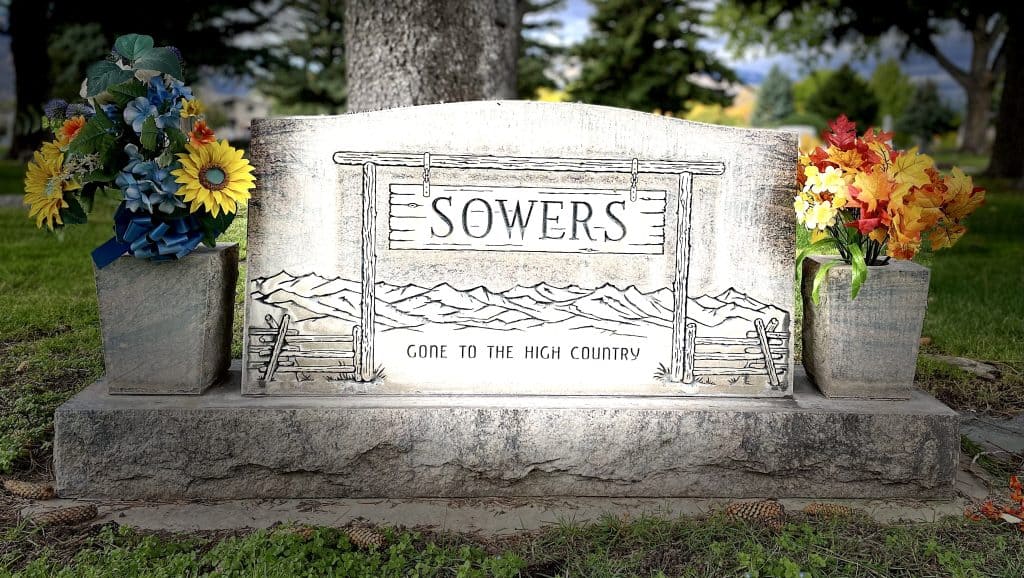
Cemetery costs in New Jersey vary significantly depending on whether you choose a public municipal cemetery, a private cemetery, or a veterans cemetery. These costs are separate from — and in addition to — the funeral home charges. New Jersey is one of the most densely populated states, and cemetery plots — particularly in the northern part of the state near New York City — can be considerably more expensive than the national average. You may also save by buying a resale cemetery plot from a private seller.
Typical cemetery expenses include the burial plot (ranging from $1,000 to $10,000 or more in high-demand areas), opening and closing of the grave ($800–$2,000), a burial vault or grave liner (often $1,500–$4,000), and perpetual care fees for ongoing cemetery maintenance.
There is no New Jersey state law requiring a burial vault, although many cemeteries have their own regulations requiring one.
If you are considering cremation burial — interring cremated remains in a cemetery — the costs are generally much lower. A cremation plot is smaller and less expensive than a full burial plot, and columbarium niches (above-ground structures that hold cremation urns) offer another option, typically ranging from $1,500 to $5,000 in New Jersey.
Green Burial in New Jersey
Green or natural burial is an option for environmentally conscious families in New Jersey. A green burial uses biodegradable materials — such as a simple shroud, wicker casket, or unfinished wood container — and avoids embalming chemicals and concrete burial vaults. The goal is to allow the body to return naturally to the earth.
New Jersey has several cemeteries that accommodate green burial requests, including Steelmantown Cemetery in the Pine Barrens region of South Jersey, which offers dedicated natural burial sections. Check with local cemeteries about their policies regarding alternative containers and waiving vault requirements.
As noted in our laws section, home burial is permitted in New Jersey on private property with approval from the local health department. This can be one of the most affordable burial options, as it eliminates cemetery fees entirely, but you should consider the legal and practical implications for future property transfers.
Alkaline hydrolysis (water cremation) and natural organic reduction (human composting) are not currently legal in New Jersey. Families interested in these alternative disposition methods would need to arrange services in a neighboring state where they are permitted, such as New York, which legalized human composting in 2023.
Pre-Planning Your Funeral in New Jersey
Pre-planning your funeral is one of the most considerate things you can do for your family. It removes the burden of difficult decisions during an emotionally challenging time and allows you to control costs, specify your wishes, and ensure the type of service you want.
In New Jersey, you can pre-plan through several methods. A preneed funeral contract allows you to arrange and often prepay for specific services directly with a funeral home. New Jersey’s Prepaid Funeral Trust Fund Act requires that all prepaid funds be placed in a trust account, providing consumer protection. Consumers have the right to cancel and receive a refund of trust funds. It is important to understand whether the contract is revocable or irrevocable, and what happens to prepaid funds if you change your mind or relocate.
One important step in pre-planning in New Jersey is to sign your cremation authorization documentation in advance. Because New Jersey requires all legal next of kin to consent to cremation, signing in advance ensures your wishes are carried out without delays or disputes among family members.
Alternatively, you can document your wishes and set aside funds in a Payable on Death (POD) bank account or a Totten Trust. These options give you more control over your money while still earmarking it for funeral expenses. The named beneficiary can access the funds immediately upon your death without waiting for probate.
Burial insurance (also called final expense insurance) is another popular option in New Jersey. These are typically small whole-life insurance policies designed to cover funeral costs. Monthly premiums vary based on your age and health, and most policies offer guaranteed acceptance for individuals up to age 85.
Read more in our article What is my best and safest option for putting aside money for a funeral?
Death Away from Home: Funeral Shipping
If a loved one passes away while traveling in New Jersey — or if a New Jersey resident dies in another state or country — you will need to arrange for the transportation of remains. This process, known as funeral shipping, requires coordination between funeral professionals at both the place of death and the final destination.
Transporting a body between states typically requires embalming (most airlines and common carriers mandate it), a specific air tray or shipping container for the casket, and coordination with the airlines or ground transport services. The cost of funeral shipping can range from $4,000 to $6,000 or more before other funeral costs, depending on the distance and specific requirements.
A more affordable alternative is to have the body cremated at the place of death, and then ship or transport the cremated remains to the family. Cremated remains can be shipped via USPS Priority Mail Express (the only postal service that accepts cremated remains) or carried on a flight as a carry-on item in a TSA-approved container.
Visit our section on Funeral Shipping to read more, or learn about the DFS Memorials Travel Protection Plan for peace of mind coverage.
End-of-Life Support & Death Doula Services in New Jersey

Death doulas (also known as end-of-life doulas) are trained professionals who provide non-medical support to individuals and families navigating the dying process. Their services can include advance care planning, emotional and spiritual support during the final days, assistance with legacy projects, vigil planning, and guidance through the practical aspects of death and grief.
In New Jersey, the death doula profession is well established, with practitioners available across the state — particularly in the densely populated northern and central regions near New York City and Philadelphia. With New Jersey’s diverse population and cultural communities, death doulas can play a valuable role in providing culturally sensitive end-of-life support and helping families navigate the complex intersection of grief, legal requirements, and funeral planning.
If you are interested in connecting with a death doula in New Jersey, visit our New Jersey death doula directory to find practitioners in your area.
Veteran Benefits and Military Funeral Honors in New Jersey
New Jersey veterans and their eligible dependents may qualify for a range of burial benefits from the U.S. Department of Veterans Affairs, which can significantly reduce funeral costs. These benefits include burial in a VA national cemetery at no cost (including the grave, opening and closing, a headstone or marker, and perpetual care), a burial allowance for service-connected or non-service-connected deaths, and a flag for the casket or urn.
New Jersey is home to two VA national cemeteries: Beverly National Cemetery in Burlington County and Finn’s Point National Cemetery in Salem County. The state also operates the Brigadier General William C. Doyle Veterans Memorial Cemetery in Wrightstown, one of the largest state-run veterans cemeteries in the nation. Veterans, their spouses, and certain dependents are entitled to a free cemetery plot and marker at these facilities.
All eligible veterans are entitled to military funeral honors, which include, at a minimum, the folding and presentation of the American flag and the playing of Taps. Many families arrange for a full military honors ceremony through their funeral director in coordination with Joint Base McGuire-Dix-Lakehurst or local veterans service organizations.
The VA burial allowance for 2026 is up to $2,000 for service-connected deaths and a lesser amount for non-service-connected deaths. The VA also provides a $948 plot allowance for veterans buried in private cemeteries (if not buried in a VA or state veterans cemetery). Contact the VA at 1-800-827-1000 or visit www.va.gov/burials-memorials for full details.
Body Donation in New Jersey
Donating your body to science can serve both as a meaningful gift to medical education and research and as an alternative to traditional funeral expenses. In most cases, the body donation organization handles the collection of the deceased, the medical donation process, cremation of the remains, and the return of the cremated remains to the family — often at no cost.
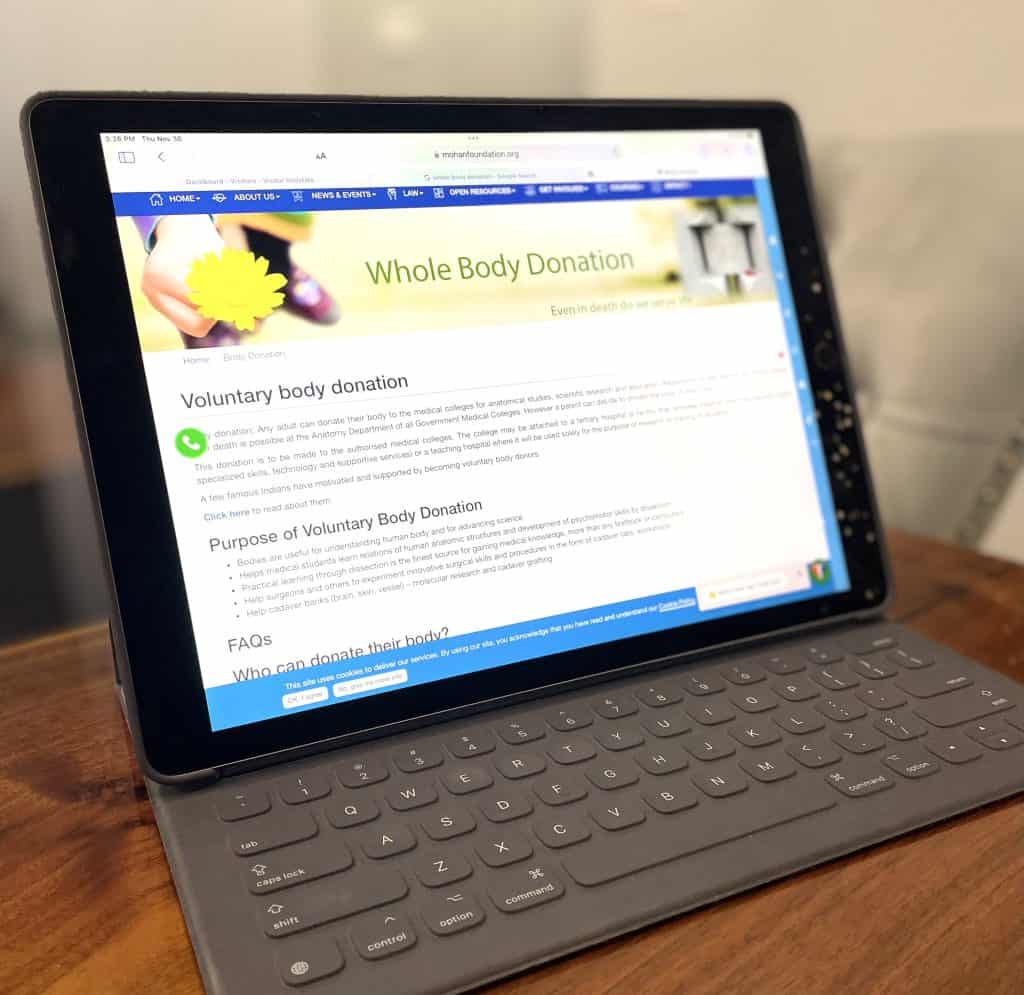
New Jersey has several institutions that accept anatomical donations, including:
Robert Wood Johnson Medical School (Rutgers University) — accepts whole-body donations for medical education and research. Contact the Department of Cell Biology and Neuroscience in Piscataway, NJ.
Rutgers New Jersey Medical School — the medical school in Newark also accepts anatomical donations for training the next generation of medical professionals.
You need to contact the institution directly to determine their donor acceptance criteria. Not all donors are accepted at the time of death, and the process usually takes 3–4 weeks (though it could take longer). For this reason, it is advisable to have a backup funeral plan in place if body donation is your primary choice.
Check out our Body Donation section for more information on whole-body donation programs.
Ash Scattering and Memorial Options After Cremation
After cremation, New Jersey families have a wide range of options for memorializing their loved one’s cremated remains. New Jersey is generally a “common sense” state when it comes to scattering — while there are no specific state laws prohibiting scattering, there are guidelines to follow.

Private property: You can scatter on your own land or on someone else’s property with their verbal or written permission.
At sea: Federal law requires scattering to take place at least three nautical miles from the New Jersey coastline. Many charter boats operating out of Belmar, Point Pleasant, or Atlantic City offer affordable sea burial packages. You are required to notify the EPA within 30 days.
Public parks and land: It is generally accepted to scatter in public woods or parks as long as you are away from trails, water sources, and developed facilities. Always check local city ordinances first, as some New Jersey towns have specific rules for their local parks.
Scattering gardens: Many New Jersey cemeteries and some churches offer designated scattering gardens for a fee, which often includes a permanent plaque or entry in a Book of Remembrance.
Keep the cremation urn at home: Many families choose to keep the cremated remains in a decorative urn displayed at home. This provides a comforting presence and a personal memorial space.
Creative memorialization: Modern options include memorial jewelry incorporating a small amount of ashes, memorial glass art, planting a memorial tree with a biodegradable urn, or having cremated remains incorporated into an artificial reef. These options allow families to create lasting, personalized tributes.
Visit our Ash Scattering guide for more information on scattering options and considerations.
Death Certificates in New Jersey: What You Need to Know

A death certificate is a critical legal document that you will need multiple copies of to settle the deceased’s affairs — including closing bank accounts, filing insurance claims, transferring property, and claiming benefits. In New Jersey, the fee for the first certified copy is $25.00, with each additional copy costing just $2.00 when ordered at the same time.
New Jersey law requires that the death certificate be filed with the local health department within 72 hours of death. Your funeral director will handle this process and ask how many copies you require. The cause of death section must be completed and certified by a medical professional.
We recommend ordering at least 10–12 certified copies, as most institutions (banks, insurance companies, government agencies, the Social Security Administration) require an original certified copy rather than a photocopy.
Additional copies can be obtained later from the New Jersey Office of Vital Statistics and Registry.
Financial Assistance for Funeral Costs in New Jersey
Several federal, state, and community resources may be available to New Jersey families who need financial help with funeral expenses.
Social Security lump-sum death benefit: If the deceased was eligible for Social Security benefits, the surviving spouse or dependent child may be eligible for a one-time $255 lump-sum death benefit. Contact the Social Security Administration at 1-800-772-1213 to apply.
Veterans benefits: Eligible veterans may qualify for a VA burial allowance of up to $2,000 for service-connected deaths, plus a plot allowance for burial in a private cemetery. See the Veteran Benefits section above for full details.
County Public Assistance Funeral: Each county in New Jersey has an obligation to provide a funeral or cremation for indigent, vulnerable, or low-income individuals unable to pay for services. To arrange a Public Assistance Funeral, contact a local funeral home and inform them that the deceased may be eligible — the funeral director will contact the County Board of Social Services to determine the case. There are fixed assistance amounts for each county with limits on family contributions.
Crime victims’ compensation: If the death was the result of a violent crime, the New Jersey Victims of Crime Compensation Office may provide financial assistance for funeral and burial expenses.
FEMA funeral assistance: In the event of a federally declared disaster, FEMA may provide funeral assistance to families who lost a loved one as a direct result of the disaster.
Community and charitable resources: Local churches, community organizations, and charitable foundations in New Jersey may offer emergency funeral assistance. Crowdfunding through platforms like GoFundMe has also become a common way for families to raise funds for funeral expenses.
Read our comprehensive guide ~ What to do if I cannot afford a funeral for more options and resources.
Conclusion ~ Planning Ahead & Understanding Your Options Saves Money & Emotional Decisions
Arranging a funeral in New Jersey doesn’t have to be overwhelming or financially devastating. By understanding your options — from direct cremation starting at $995 to full traditional services averaging $9,451 — you can make informed decisions that honor your loved one while respecting your budget.
New Jersey’s consumer protections under the FTC Funeral Rule and the state’s Prepaid Funeral Trust Fund Act give families important safeguards. We strongly recommend comparing prices between multiple funeral homes, requesting the General Price List from any provider you are considering, and exploring all available financial assistance programs.
If you have any questions about funeral services or costs in New Jersey that we have not covered in this guide, please get in touch with us. We are here to assist you.
Resources and Related Guides
- Funeral Flowers: What to Send, Costs & Etiquette
- Cremation Costs in New Jersey — City-by-City Price Comparison
- Find Funeral Homes in New Jersey
- DFS Memorials — Affordable Cremation in New Jersey
- The FTC Funeral Rule — Your Consumer Rights
- Understanding the General Price List (GPL)
- Body Donation Programs in the United States
- Ash Scattering Guide
- Death Doula Directory — New Jersey
- Death Away from Home — Funeral Shipping Guide
- What to Do If You Can’t Afford a Funeral
- Best Options for Putting Aside Money for a Funeral
- VA Burial Benefits and Memorial Items


