Funeral Costs in Iowa: 2026 Guide
Losing a loved one is never easy, and understanding funeral costs in Iowa helps you make informed decisions during a difficult time. Whether you’re planning ahead or arranging services now, this comprehensive guide covers traditional funerals, cremation options, green burials, financial assistance programs, and state regulations so you can honor your loved one while managing expenses responsibly.
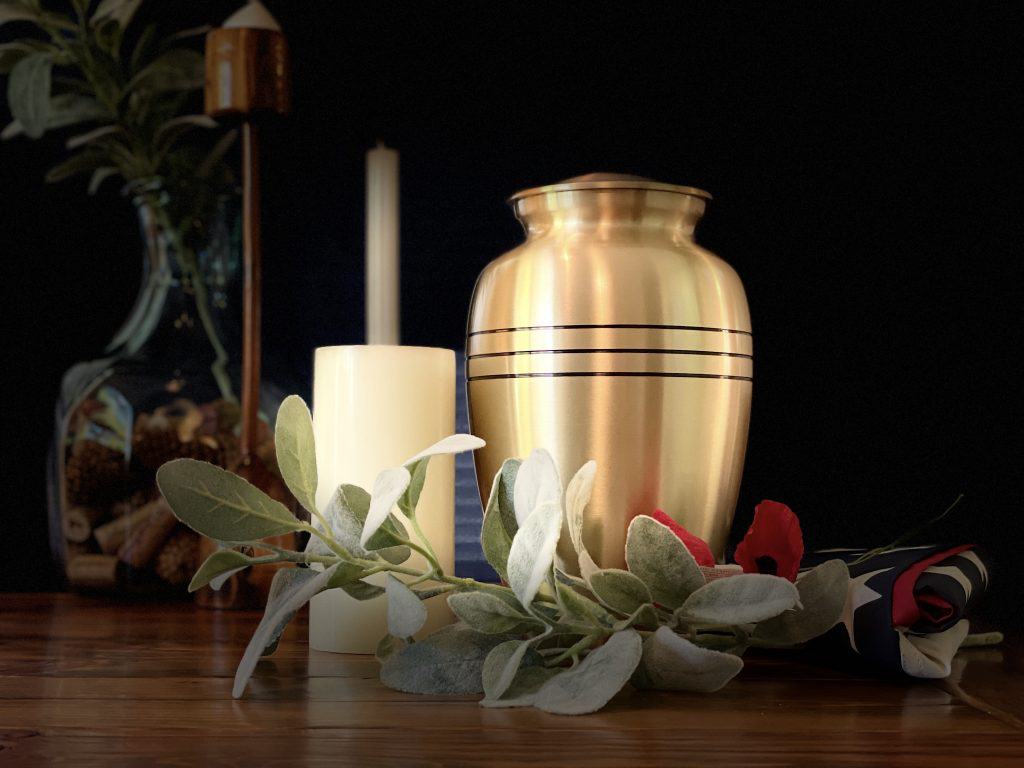
Quick Facts: Funeral Costs in Iowa
Planning a funeral in Iowa requires understanding the range of costs you’ll encounter. Iowa ranks as the 3rd most expensive state in the nation for funeral services, so comparing prices carefully is especially important here. According to Funeralocity 2026 data, a traditional full-service burial in Iowa averages around $9,382, while families seeking simpler options can arrange direct cremation starting from just $895 through the DFS Memorials provider in Des Moines. The cost breakdown depends significantly on your chosen service type, location, funeral home, and any additional services or merchandise you select.
| Service | Typical Cost in IA | What is Included | Best For |
|---|---|---|---|
| Direct Cremation | From $895 | Transfer of deceased, basic services of funeral director, cremation process, temporary urn | Families wanting the simplest and most affordable option |
| Cremation with Memorial Service | $3,525 – $5,813 | Direct cremation plus memorial service planning and use of chapel or venue | Families who want a ceremony but without the cost of burial |
| Full-Service Cremation | $7,244+ | Embalming, viewing/visitation, rental casket, funeral service followed by cremation | A more traditional funeral experience with cremation |
| Traditional Full-Service Burial | $9,382+ | Embalming, viewing, funeral ceremony, casket, burial vault, cemetery fees | Families choosing traditional burial and graveside service |
| Affordable Green Burial | From $2,000 | Eco-friendly burial without embalming, biodegradable casket or shroud, natural setting | Families seeking an environmentally conscious and affordable burial |
Understanding Your Funeral Cost Breakdown

Funeral costs in Iowa are not a single price—they’re a collection of individual charges that add up quickly if you’re not careful. Understanding each component empowers you to make informed choices and avoid paying for services you don’t want or need. Iowa ranks 3rd among all 50 states for funeral costs, making price awareness particularly important for Iowa families.
Basic Services of the Funeral Director: This non-declinable fee covers the funeral home’s overhead and professional services, including planning, coordinating with third parties (cemetery, clergy, newspaper), obtaining necessary permits and authorizations, and preparing required documentation. In Iowa, this fee typically ranges from $1,800 to $3,500 depending on the funeral home. This fee appears on every funeral home’s General Price List and cannot be waived or discounted—it’s the baseline cost of working with any funeral provider.
Transfer/Removal of Remains: This fee covers the funeral home’s service to transport the deceased from the place of death (home, hospital, nursing facility, or medical examiner’s office) to the funeral home. In Iowa, expect to pay $200 to $500 for local transfers. After-hours, weekend, or holiday pickups may cost an additional $50 to $200. Transfers from locations more than 50 miles away often incur mileage surcharges.
Embalming: Though not legally required in Iowa in all situations, embalming is often presented as mandatory for viewing services. Under Iowa rules, embalming is not needed if burial or cremation takes place within 72 hours of death, and refrigeration can extend that window by up to another 72 hours (Iowa Admin. Code 645-100.6(3)). If embalming is performed, expect to pay $400 to $800 for the basic service, with additional cosmetology charges of $100 to $300.
Use of Facilities: Funeral homes charge separately for use of their facilities for viewing/visitation ($300 to $700) and for the funeral ceremony itself ($300 to $700). Some funeral homes offer package pricing for both. If you hold services at a church, community center, or private home, you can eliminate these facility fees entirely.
Caskets: The casket is typically the single most expensive item in a traditional funeral, ranging from $1,000 for a basic metal casket to $10,000 or more for premium hardwood or copper models. Iowa law protects your right to purchase a casket from any third-party vendor—including online retailers—and the funeral home must accept it without charging a handling fee. This right, guaranteed by the FTC Funeral Rule, can save families thousands of dollars. Our comprehensive casket buying guide walks you through styles, materials, and cost-saving strategies.
Cemetery Costs: Cemetery expenses are separate from funeral home charges and can add $1,000 to $5,000 or more to your total costs. These include the burial plot ($500 to $3,000 depending on location), opening and closing the grave ($500 to $1,500), a burial vault or grave liner ($800 to $3,000, often required by the cemetery though not by Iowa law), and perpetual care fees. Urban cemeteries in Des Moines, Cedar Rapids, and Iowa City tend to charge more than rural locations.
Cremation Fee: The crematory fee—the actual cost of the cremation process—typically runs $200 to $400 in Iowa. This is a third-party charge paid by the funeral home to the crematory and passed along to you. Some funeral homes operate their own crematories and may bundle this cost into their service package. Always ask whether the crematory fee is included in a quoted cremation price or listed separately.
Choosing a Funeral Home in Iowa

Iowa is home to approximately 700 funeral homes and mortuaries, giving families meaningful choices when selecting a funeral provider. Whether you need immediate arrangements following a death or are pre-planning for the future, choosing the right funeral home is one of the most important decisions you’ll make during this process.
Start with the General Price List (GPL): The FTC Funeral Rule requires every funeral home to provide an itemized General Price List upon request—in person or over the phone. This list must include individual prices for every service and merchandise item, allowing you to compare costs between providers. Request GPLs from at least three funeral homes in your area before committing. Iowa’s funeral costs rank 3rd highest nationally, so shopping around can yield significant savings.
Consider Your Priorities: Before contacting funeral homes, clarify what matters most to your family. Do you need a traditional funeral with viewing and burial? A simple direct cremation? A celebration of life ceremony? Are religious or cultural traditions important? Is budget the primary concern? Having clear priorities helps you evaluate funeral homes based on what they actually offer rather than being influenced by sales presentations.
Ask About All-Inclusive Pricing: Some funeral homes offer package deals that bundle services at a lower total cost than purchasing each item individually. Others excel at à la carte pricing that lets you choose only what you need. Neither approach is inherently better—what matters is transparency. Ask for a detailed written estimate that itemizes every charge, including third-party fees like crematory charges, death certificates, and permits.
Check Reputation and Reviews: Seek recommendations from family, friends, clergy, or hospice workers who have recent experience with local funeral homes. Online reviews can provide additional perspective, though personal referrals remain the most reliable indicator of quality. Our Iowa funeral home directory provides contact information for licensed funeral providers across the state.
DFS Memorials Network: For families seeking affordable cremation and burial services, the DFS Memorials network in Iowa offers direct cremation starting from just $895 in Des Moines. DFS providers guarantee best-value pricing and can often arrange services by phone without requiring a visit to the funeral home. Visit DFS Memorials Iowa to check locations and current pricing.
Burial in Iowa: Costs and Considerations
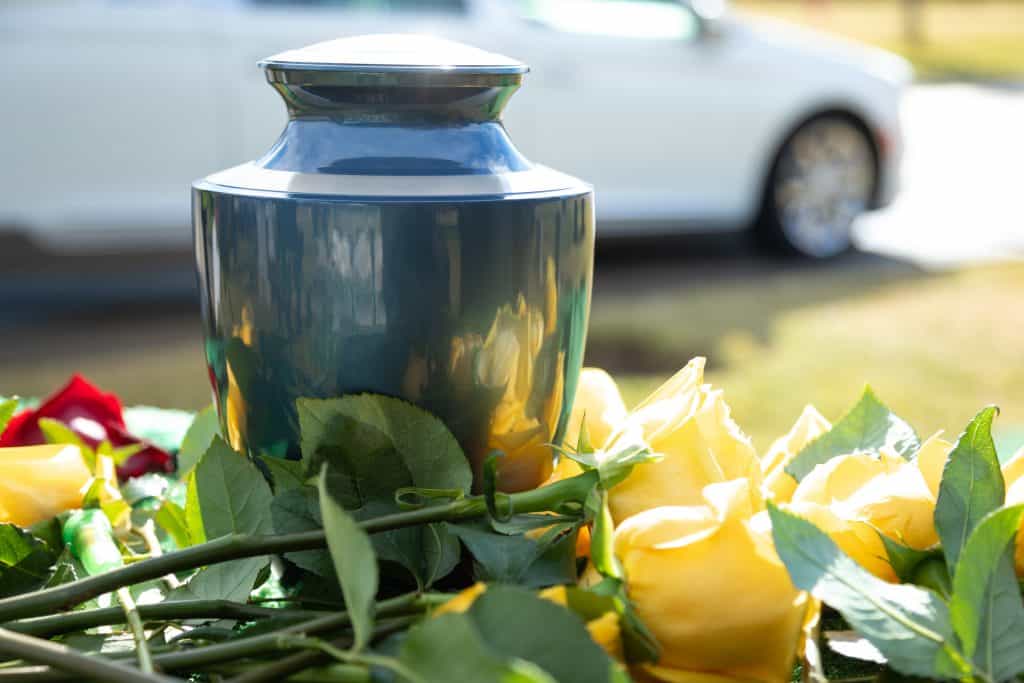
Traditional burial remains a meaningful choice for many Iowa families, particularly those with established family plots or strong religious traditions. Understanding the full scope of burial costs helps you plan realistically and identify areas where you can save without sacrificing dignity or meaning.
Total Burial Costs in Iowa: A traditional full-service burial in Iowa averages $9,382 according to Funeralocity 2026 data, ranking Iowa 3rd highest nationally. This figure includes the funeral home’s professional services, embalming, viewing, funeral ceremony, casket, and hearse—but does not include cemetery expenses. When you add cemetery costs (plot, opening/closing, vault), total burial expenses can easily reach $12,000 to $15,000 or more.
Cemetery Plot Costs: Burial plot prices in Iowa vary dramatically by location. Plots in Des Moines, Cedar Rapids, Davenport, and Iowa City metropolitan cemeteries can cost $1,500 to $4,000, while rural cemetery plots may be available for $500 to $1,500. Many Iowa families have existing family plots that can reduce this expense. If purchasing a new plot, ask about financing options and whether perpetual care is included in the price.
Burial Vaults and Grave Liners: Iowa state law does not require a burial vault, but most Iowa cemeteries require either a vault or a grave liner to prevent the ground from settling over time. A basic concrete grave liner costs $800 to $1,500, while a sealed burial vault runs $1,500 to $5,000. Always confirm whether these costs are included in the cemetery’s quoted plot price.
Grave Markers and Monuments: The headstone or monument you place on the grave is an additional expense that can range dramatically depending on size, material, and design. Simple granite or marble markers cost $500 to $1,500, while elaborate monuments may exceed $5,000. Our comprehensive guide to grave markers and memorials walks you through styles, materials, design considerations, and pricing to help you find an affordable yet meaningful memorial.
Cremation in Iowa: An Overview
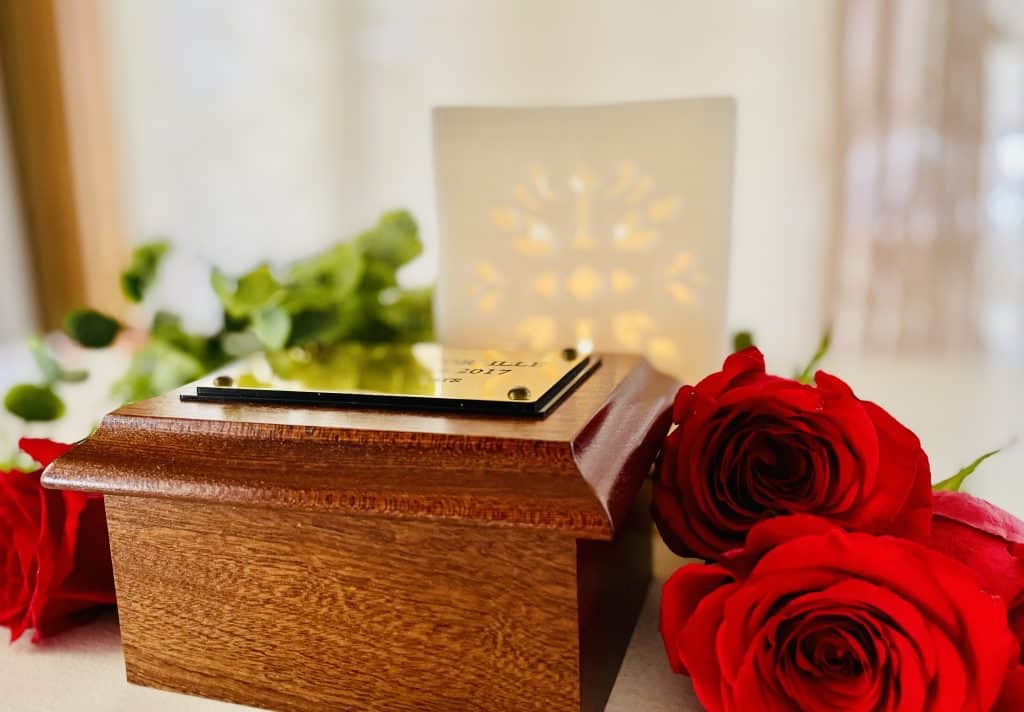
Cremation is rapidly becoming the preferred end-of-life choice in Iowa, with the cremation rate in Des Moines and Iowa City now approaching 50%. This trend reflects both the lower costs of cremation and its flexibility in memorialization options. Direct cremation, which removes unnecessary expenses from the funeral process, costs as little as $895 through the DFS Memorials provider in Des Moines, making it an accessible option even for families with limited budgets. Full-service cremation, which includes embalming, viewing, a funeral service, and then cremation, averages around $7,244 in Iowa.
One of the greatest advantages of cremation is scheduling flexibility. Unlike traditional burial, which must occur relatively soon after death, cremation allows families weeks or months to plan a memorial service. Many families schedule cremation without an immediate service, then hold a memorial gathering at a later date when relatives can travel to Iowa or when the family is emotionally ready. This flexibility often results in more meaningful celebrations of life and can reduce overall costs.
Another advantage is portability. After cremation, the remains (called ashes or cremains) can be kept at home in an urn, scattered in meaningful locations, buried in a cemetery plot, interred in a columbarium niche, placed in a mausoleum, or even divided among family members. This flexibility often appeals to families with scattered members or those who want a more personalized approach to remembrance.
For a full breakdown of cremation pricing, options for handling ashes, Iowa cremation laws, and how to find a low-cost cremation provider, see our guide to cremation costs in Iowa.
Green and Natural Burial in Iowa

Iowa’s agricultural heritage and connection to the land make green burial a naturally appealing option for environmentally conscious families. Green burial eliminates the use of embalming chemicals, uses biodegradable caskets or burial shrouds made from natural materials, and places the body directly in the earth to decompose naturally. This approach is both environmentally responsible and often more affordable than traditional burial.
Green Burial Options in Iowa: While Iowa does not have a dedicated conservation burial ground, several traditional cemeteries in the state offer green burial sections or accommodate natural burial practices. Green burial typically costs $2,000 to $4,000—significantly less than traditional burial because it eliminates the costs of embalming, metal caskets, and concrete vaults. The body is placed in a biodegradable casket, wooden box, or simple shroud and buried in a natural setting.
Iowa Home Burial Considerations: Although Iowa does not explicitly prohibit families from caring for their own dead, Iowa law requires a licensed funeral director to arrange a cremation, and crematories will not accept a body directly from the family (Iowa Code § 331.805; Iowa Admin. Code 481-900.10(2)). This means families interested in home funerals or home death care may still need a funeral director’s involvement to obtain the necessary transit permits. If you’re interested in a home funeral or natural burial, discuss your options with a funeral director who is sympathetic to these practices.
Aquamation (Alkaline Hydrolysis): Beyond traditional green burial, some families explore aquamation, also called alkaline hydrolysis or water cremation. This emerging technology uses heated water and chemicals to reduce the body to its mineral components, resulting in a smaller carbon footprint than flame cremation. Learn more about aquamation and its availability through our comprehensive guide. For more information about green burial options, consult our green burial directory.
Embalming and Iowa Law
Iowa has distinctive embalming laws that set it apart from most other states. Understanding these requirements helps you make informed decisions about whether to include embalming in your funeral plans—and how to avoid unnecessary costs.
Iowa’s 72-Hour Rule: Under Iowa Administrative Code 645-100.6(3), embalming can be skipped if burial or cremation takes place within 72 hours of death. If the body is kept refrigerated, that window can be extended by up to another 72 hours. Only if disposition cannot happen within those limits does embalming become necessary.
Practical Implications: For families choosing direct cremation, this 48-hour window is generally sufficient since most cremation providers can complete paperwork and arrange cremation within that timeframe. For traditional funerals with viewings, embalming is typically performed anyway. The 48-hour rule primarily affects families who want to delay arrangements—for example, waiting for out-of-town relatives—without embalming.
When Funeral Homes May Require Embalming: Beyond the legal requirements, some funeral homes may require embalming if you request an open casket viewing or visitation. While this is a business policy rather than a legal mandate, it’s common practice. If you want to avoid embalming, discuss alternatives with the funeral director—some will accommodate a brief viewing window without embalming if arrangements are made quickly.
Embalming Costs: If you do choose embalming, expect to pay $400 to $800 for the basic service. Additional cosmetology services (hair and makeup styling) typically cost $100 to $300 more. These costs should appear as separate line items on the funeral home’s General Price List.
Iowa Funeral Regulations and Your Rights

Understanding your consumer rights protects you from unnecessary expenses and unethical practices. Both federal and Iowa state laws provide important safeguards when arranging funeral services.
The FTC Funeral Rule: The Federal Trade Commission’s Funeral Rule requires all funeral homes to provide an itemized General Price List free of charge. This list must clearly separate each service and merchandise item with its individual price, allowing families to choose exactly what they want rather than being forced into expensive package deals. The Funeral Rule also protects your right to:
• Use a casket purchased from any source (including online retailers) without the funeral home charging a handling or usage fee
• Use an urn purchased from any vendor without additional charges
• Decline unnecessary services like embalming, viewing room rental, or guest books
• Receive a written itemized bill before paying
• Receive a casket price list including rental caskets if offered
Iowa Board of Mortuary Science: The Iowa Board of Public Health’s Board of Mortuary Science licenses funeral establishments and professionals in the state. If you have a complaint about funeral home conduct, service quality, or adherence to state regulations, you can file a formal complaint with the Board:
Iowa Board of Mortuary Science
Lucas State Office Building
321 E. 12th Street
Des Moines, IA 50319
Phone: (515) 281-4287
Who Can Make Funeral Decisions: Iowa law establishes a clear order of priority for who can authorize funeral arrangements if the deceased left no written instructions. The order is: spouse, adult children (age 18+), parents, and siblings. If you’re unsure whether you have legal authority to make arrangements, ask the funeral director to explain the law and clarify who has decision-making power in your situation.
Container Requirements: Iowa law does not require a casket for cremation. Families can use a simple container made of combustible materials, such as a cardboard box, plywood container, or cloth shroud. Metal caskets are never necessary for cremation and waste money. For ground burial, most cemeteries require burial vaults or grave liners, though this is a cemetery policy rather than a state law requirement.
Funeral Director Requirements: Although Iowa does not prohibit families from caring for their own dead, Iowa law effectively requires a licensed funeral director to handle the transportation of the deceased and obtain the necessary transit permits. A burial-transit permit is generally only issued to a licensed funeral director. This means you can still conduct aspects of your own home death care but will likely need a funeral director’s involvement for transportation and permits.
Pre-Planning Your Funeral and Setting Aside Funds
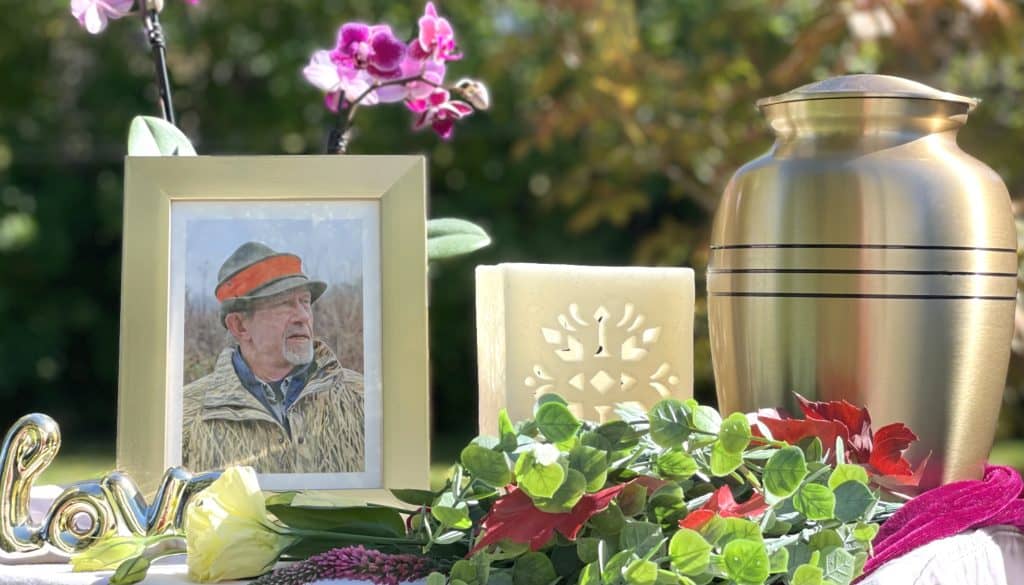
Pre-planning your funeral while you’re healthy and thinking clearly provides immense peace of mind. It also locks in current prices, protects your loved ones from making expensive decisions under emotional stress, and ensures your wishes are respected. Given that Iowa ranks 3rd highest for funeral costs nationally, pre-planning can be especially valuable for Iowa families.
Discussing Preferences with Family: Begin by having candid conversations with close family members about your values regarding death, memorial, and end-of-life decisions. Discuss whether you prefer burial or cremation, the type of service (traditional funeral, memorial service, or small gathering), any religious or cultural preferences, and your budget constraints. Document these preferences in writing and share copies with family members and your executor.
Pre-Paid Funeral Plans: In Iowa, preneed (pre-paid) funeral contracts allow you to lock in current prices for specified services and merchandise. Iowa regulates preneed funeral sales to protect consumers—funds must be held in trust to ensure your money is protected even if the funeral home closes or changes ownership. Before purchasing a preneed plan, verify the funeral home’s reputation, confirm the plan’s terms in writing, and understand any cancellation policies or transfer options if you move.
Important Consideration on Pre-Planning: While funeral companies promote preplanning on the basis that it “locks in today’s prices,” be aware that with the cremation trend increasing and more funeral homes competing for the affordable funeral market, funeral costs are not as fixed as they once were. In some cases, prices may actually decrease over time as competition increases. Consider this when deciding between prepaying and simply setting aside funds.
Funeral Savings Accounts and POD Accounts: An alternative to preneed plans is establishing a funeral savings account or a Payable-On-Death (POD) account with a bank. These accounts allow you to set aside funds specifically for funeral expenses, and the money passes directly to a designated beneficiary upon your death, bypassing probate. This approach offers flexibility—you control the funds, can adjust the amount, and can decide how the money is used. A Totten Trust works similarly and enables family to access the funds at the time of need. Learn more about funeral savings options and how to set up accounts that protect your funeral funds.
Organizing Important Documents: Create a centralized file containing: life insurance policies, cemetery plot deeds, prepaid funeral plans, bank account information, Social Security card, birth certificate, marriage license, will, power of attorney, and healthcare directive. Keep original documents in a safe deposit box and provide your executor with a list of all accounts and their locations.
Death Away from Home: Funeral Shipping
If your loved one passes away outside Iowa, transporting the body back home for funeral services or burial involves significant costs. Understanding funeral shipping expenses helps you plan realistically and explore your options.
Domestic Funeral Shipping Costs: Transporting remains within the United States typically costs $3,000 to $5,000 or more, depending on distance and the funeral home’s handling. This includes embalming (often required for transport), a shipping container, airline fees, ground transportation, permits, and coordination between funeral homes. Iowa law requires embalming for interstate transport, and specific containers are required to hold the casket during transit.
International Funeral Shipping Costs: If death occurs outside the United States, costs escalate significantly. International funeral shipping ranges from $6,900 to $15,000 or more, depending on the originating country, required documents, customs clearance, and complexity of arrangements. Our comprehensive funeral shipping guide walks through the process, requirements, and cost-saving strategies when arranging transport of remains.

Travel Protection Plan: For families concerned about the risk of death away from home, the DFS Memorials Travel Protection Plan offers affordable coverage. For just $450 for an individual policy (or a family plan at comparable rates), you receive lifetime protection covering funeral transportation expenses. The plan covers death occurring 75 or more miles from your home, includes global coverage for travel abroad, and provides up to $5,000 in transportation reimbursement. Learn more about Travel Protection Plan coverage and how it provides peace of mind during travel.
End-of-Life Support & Death Doula Services in Iowa

Planning for end-of-life care in Iowa is about more than legal documents or funeral arrangements — it’s about ensuring comfort, clarity, and dignity during one of life’s most vulnerable transitions. End-of-life support professionals, often known as death doulas or end-of-life doulas, provide non-medical, holistic guidance to individuals and families before, during, and after death. Their services may include advance care planning, emotional and spiritual support, legacy projects, family advocacy, bedside presence, and grief support, all tailored to the laws, resources, and care options available in Iowa.
Whether working alongside hospice or supporting families independently, death doulas help reduce fear, ease decision-making, and ensure that a person’s final wishes are understood and honored. Families can explore local end-of-life doulas and support services through our Iowa Death Doula Directory.
Veteran Benefits and Military Funeral Honors
Veterans and service members have access to specific funeral benefits and honors that can significantly reduce out-of-pocket funeral costs and provide meaningful military recognition.
Social Security Death Benefit: If the deceased was receiving Social Security benefits, their Social Security account automatically receives a one-time death benefit of $255, which can be paid to the surviving spouse or dependent children. This modest benefit can help offset funeral expenses.
Military Burial Honors: Veterans who served honorably in the U.S. Armed Forces are entitled to military funeral honors. This includes a flag-folding ceremony and two uniformed service members presenting the American flag to the family. These honors are provided at no cost and add profound meaning to veteran funerals. The funeral home can coordinate military honors, or you can contact the deceased veteran’s branch directly.
National Cemetery Burial: Eligible veterans can be buried at a Veterans Administration cemetery at no cost. Iowa National Cemetery in Van Meter provides burial services for eligible Iowa veterans. Burial is free, though the family bears the cost of the casket and transportation to the cemetery. For eligibility verification and burial arrangements, contact the Veterans Affairs office at 1-800-827-1000 or visit www.va.gov to find Iowa-area burial options.
Veterans Cremation Benefits: Many states, including Iowa, offer cremation benefits to low-income veterans. Check with the Iowa Department of Veterans Affairs to determine whether cremation assistance is available to your veteran family member.
Body Donation in Iowa
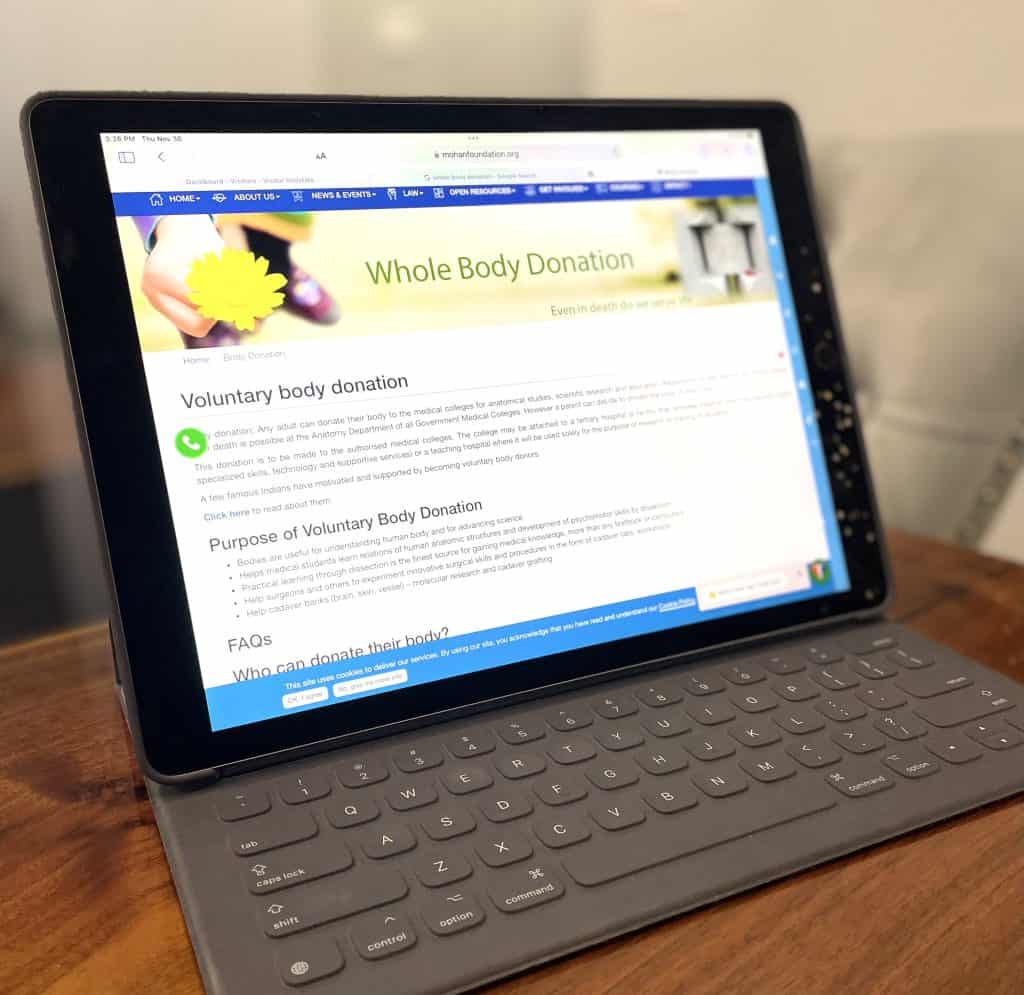
Body donation for medical research and education is a meaningful and often cost-effective end-of-life choice. Donating your body to science can be a great way to facilitate your end-of-life needs while contributing to medical advancement. Most body donation programs handle everything from the moment you notify them of the death, including collecting the body, the donation, the free cremation, and the return of the cremated remains to the family.
Medical Schools Accepting Body Donations in Iowa:
• University of Iowa Health Care, Carver College of Medicine (Iowa City) – Department of Anatomy and Cell Biology, 51 Newton Road, 100 Bowen Science Building, Iowa City, Iowa 52242. Phone: (319) 335-7762. Accepts whole-body donations for medical education and research.
• Des Moines University, Medicine and Health Sciences (West Des Moines) – Body Donor Program, Department of Anatomy, 8025 Grand Avenue, West Des Moines, Iowa 50266. Phone: (515) 271-1481. Accepts body donations for osteopathic medical training.
Several national organizations also offer anatomical gift programs. However, understand that an anatomical donation cannot always be accepted at the time of death—it can be affected by the needs of medical and research institutions at the time, transportation logistics, and other factors. If you’re interested in body donation, contact the medical school or organization directly to learn about their specific programs, eligibility requirements, and registration process. Our comprehensive body donation guide provides detailed information about how the process works and how to register your wishes.
Ash Scattering and Memorial Options After Cremation

After cremation, Iowa law provides several meaningful options for handling and memorializing the cremated remains. Understanding these choices helps families select the option that best honors their loved one’s memory and values.
Iowa Ash Scattering Options: Iowa allows families significant freedom in how they handle cremated remains. You may legally:
• Keep the remains at home in an urn or container
• Place cremains in a grave alongside other family members
• Inter cremains in a columbarium niche at a cemetery or memorial garden
• Entomb cremains in a mausoleum
• Scatter cremains on private land (with the consent of the landowner)
• Scatter cremains in many public areas using common sense guidelines
• Divide cremains among multiple keepsake urns for family members
Scattering on Public Land: You may scatter cremated remains in many public areas in Iowa, so long as you follow common sense guidelines. You may need to check whether a permit or authorization is required to scatter cremated remains in state parklands, along the Mississippi and Missouri rivers, and other municipal grounds. Contact local authorities for specific requirements in your area.
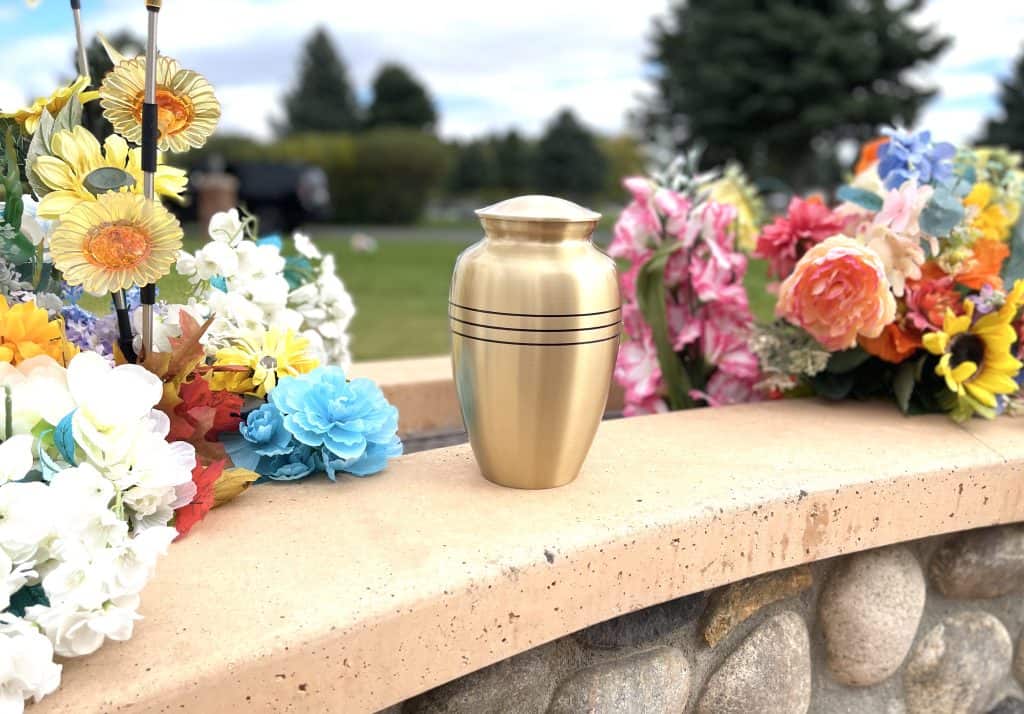
Cemetery Memorialization: More Iowa cemeteries now offer dedicated cremation columbarium niches and bespoke memorial scattering gardens. Some gardens offer small plaques or benches to create a long-lasting tribute. These options provide a permanent memorial location while preserving the affordability of cremation. Our detailed ash scattering guide covers scattering locations, regulations, and memorialization options.
Death Certificates: What You Need to Know
Death certificates are essential legal documents that you’ll need for estate settlement, insurance claims, Social Security benefits, pension applications, property transfers, and numerous other purposes. Understanding how to obtain them and how many copies you need prevents problems down the line.
Iowa Death Certificate Costs: In Iowa, the fee for a death certificate is $15.00 per certified copy. The funeral director must submit the death certificate to the medical professional within 3 days to certify the death. The physician then has 3 days to sign off on the cause of death and return the form to the funeral director. Certified copies are usually available within ten days after the death.
Where to Obtain Death Certificates: Additional copies of death certificates can be obtained from the Iowa Department of Public Health. You can order them in person, by mail, or through the state’s vital records office:
Iowa Department of Public Health
Bureau of Health Statistics
Lucas State Office Building
321 E. 12th Street
Des Moines, IA 50319
Phone: (515) 281-4944
How Many Copies Do You Need? Most families underestimate how many copies they’ll need. Order at least 10-15 certified copies. You’ll need originals for: life insurance claims (each policy), Social Security benefits, veterans benefits, bank account closures, investment accounts, mortgage payoff, vehicle title transfer, pension benefits, and government benefit applications. Most authoritative bodies that require evidence of death, such as a life insurance company, will require an original certified death certificate. Having extra copies available prevents costly repeat orders later.
Financial Assistance for Funeral Costs

If funeral costs feel overwhelming, multiple assistance programs and resources exist to help Iowa families manage expenses. Iowa does not provide direct state-level assistance for cremation costs, but several federal, county, and community resources are available.
Social Security Death Benefit: The federal government provides a one-time death benefit of $255 to eligible families. This benefit is paid to the spouse living with the deceased or, if there’s no surviving spouse, to dependent children. While modest, this $255 can be applied directly toward funeral costs.
Veterans Benefits: If the deceased was a veteran, VA burial benefits include free burial at a national cemetery (though the family pays for casket and transportation), military honors, and in some cases, cash assistance toward funeral costs. Contact the VA at 1-800-827-1000 to explore available benefits.
Iowa County Assistance: Family members or friends of the deceased who accept financial responsibility for dispensing with the remains may apply for financial assistance of up to $400 towards funeral or cremation costs from the county of residence of the deceased. Aid varies by county, and eligibility is determined by federal poverty guidelines. Applications must be submitted within 60 days of the time of death. Contact The Iowa Department of Human Services for more detailed information about county-level assistance programs.
Religious Organizations and Nonprofits: Churches, synagogues, mosques, and other religious organizations often assist members with funeral costs. Additionally, nonprofits and community organizations sometimes provide funeral assistance to qualified individuals. Contact your religious institution or local social services to learn what support may be available.
Affordable Cremation Services: The DFS Memorials provider in Iowa offers direct cremation starting from just $895, making professional cremation accessible even to families with minimal budgets. Our detailed guide to affording a funeral explores all available assistance programs, money-saving strategies, and resources for families in financial hardship.
Conclusion: Planning Ahead Brings Peace of Mind
Understanding funeral costs empowers you to make informed decisions that honor your loved one while respecting your family’s financial situation. Whether you’re pre-planning for yourself or arranging services unexpectedly, knowledge is your greatest asset. Iowa ranks as the 3rd most expensive state for funeral costs, making price comparison and informed decision-making especially critical here. The options available—from affordable direct cremation at $895 to traditional burial to eco-friendly green burial—mean that meaningful farewell services are accessible at nearly any budget level.
The key to achieving both financial responsibility and emotional satisfaction is education and intentional planning. Take time to understand what services cost, what’s legally required versus optional, and where you can negotiate better prices. Don’t hesitate to ask funeral directors difficult questions or shop around for better rates. The FTC Funeral Rule protects your right to do so, and competition among Iowa’s 700 funeral homes means prices can vary dramatically for identical services.
If you’re pre-planning, take action now to document your wishes, explore funding options, and discuss your preferences with family. If you’re arranging services immediately, ask questions, request itemized price lists, and seek less expensive alternatives to services that don’t align with your values. Remember that cremation, green burial, and body donation are all legal, meaningful, and affordable options in Iowa. With the resources and information in this guide, you can navigate funeral planning with confidence and clarity.
Resources and Related Guides
Cremation Costs in Iowa – Full cremation pricing, regulations, and provider options in Iowa
Iowa Funeral Homes – Complete directory of licensed funeral homes across Iowa with contact information
Caskets: Styles, Pricing, and Savings – Comprehensive guide to casket options, materials, and cost-effective purchasing strategies
Grave Markers and Monuments – Detailed information on headstone styles, materials, design options, and pricing
Funeral Shipping and Transporting a Body – Complete guide to arranging body transport, costs, and international shipping considerations
Body Donation – Information about donating your body to medical schools and research institutions
Ash Scattering – Guide to scattering cremains, regulations, and memorial options
Death Doulas in Iowa – Directory of end-of-life support professionals and death doula services available in Iowa
DFS Memorials Network – Affordable cremation services and funeral arrangements across Iowa and nationwide
Green Burial Directory – Find green and natural burial grounds and eco-friendly funeral providers
Iowa Board of Mortuary Science – Lucas State Office Building, 321 E. 12th Street, Des Moines, IA 50319; Phone (515) 281-4287; handles complaints and licensing of funeral professionals
FTC Funeral Rule – Detailed explanation of your federal consumer rights when arranging funeral services
Sending flowers to a funeral in Iowa? Our funeral flowers guide covers what to send, typical costs, card messages, and how to make sure flowers reach the funeral home in time.


