Funeral Costs & Options in Washington State: 2026 Guide
End of Life Planning Guide | By Sara Marsden-Ille | Updated April 2026
Planning a funeral or cremation in Washington State offers more choices than almost any other state in the nation. As a national leader in alternative disposition methods, Washington has legalized human composting, aquamation, natural burial, and home funerals—providing families with compassionate, environmentally conscious, and affordable end-of-life options. Whether you’re looking for traditional services, green alternatives, or the most budget-friendly cremation options, this guide walks you through costs, legal requirements, and resources available to Washington residents and families.
Key Takeaways – Funeral & Cremation Planning in Washington State
- Average Direct Cremation: $1,523 in Washington State; DFS offers affordable direct cremation from just $995 in the Seattle area
- Full-Service Cremation: $5,306+ on average, including viewing, ceremony, and cremation
- Traditional Funeral & Burial: $7,659+ average cost; cemetery plot costs vary ($1,000–$5,000+ in Seattle)
- Aquamation (Water Cremation): $1,800–$3,000; Washington legalized this method in May 2019, making it one of the earliest adopting states
- Human Composting (Natural Organic Reduction): $3,000–$7,000; Washington was the FIRST state to legalize NOR in May 2019, with facilities like Recompose operating in Seattle
- No Funeral Director Required: Home funerals are legal in Washington—families can handle arrangements themselves without hiring a funeral home, saving thousands
Quick Facts – Funeral & Cremation Costs in Washington State
| Service Type | Average Cost | Affordable Option |
|---|---|---|
| Direct Cremation | $1,523 | DFS: $995 (Seattle area) |
| Full-Service Cremation with Ceremony | $5,306+ | $3,500–$4,500 at local providers |
| Affordable Burial (No Service) | $4,594 | $2,500–$3,500 at discount cemeteries |
| Traditional Funeral & Burial | $7,659+ | $5,000–$6,500 with cost negotiation |
| Green/Natural Burial | $2,500–$5,000+ | ~$3,000 at participating sites |
| Aquamation (Water Cremation) | $1,800–$3,000 | Varies; check provider availability |
| Human Composting (NOR) | $3,000–$7,000 | ~$3,800–$5,500 at established providers |
| Memorial Service (No Body Present) | $2,000–$4,500 | $1,000–$2,500 with event planning |
| DFS Direct Cremation | $995 | $995 (Best Value) |
Washington State stands apart nationally for offering more disposition options than almost any other state. With legalized human composting (natural organic reduction), aquamation, green burial, home funerals, and traditional services all available, Washington families have unparalleled flexibility in honoring their loved ones while respecting environmental concerns and personal values.
This diversity of options means funeral costs can vary dramatically depending on the method chosen — ranging from under $1,000 for direct cremation to over $7,000 for traditional services with all amenities.
What Are the Different Types of Funeral & Cremation Services in Washington State?

Direct Cremation is the simplest and most affordable option. The body is taken to the crematory, placed in a combustible container, and cremated without any viewing, ceremony, or embalming. Family members receive the ashes in a temporary urn. This service typically costs $1,000–$2,000 and is ideal for families seeking a no-frills disposition.
Full-Service Cremation with Ceremony includes a viewing before cremation, a funeral or memorial service, cremation, and return of ashes. The deceased may be embalmed and placed in a casket for viewing, then cremated afterward. This option runs $4,000–$7,000 or more, depending on venue, flowers, music, and other service details.
Traditional Funeral & Burial is the classic arrangement: embalming, viewing, funeral service, casket, hearse transportation, and burial in a cemetery. Costs typically range from $7,000–$12,000+ when factoring in casket ($2,000–$10,000), burial vault, cemetery plot, and service fees. For national price ranges and real cemetery price lists, see our guide to burial plot costs. Already own a plot you no longer need? See our guide to buying and selling cemetery plots.
Memorial Service (no body present) is becoming increasingly popular. The deceased has been cremated or buried beforehand, and the service celebrates the person’s life. This option is flexible, often less expensive ($1,500–$4,000), and can be held weeks or months after death.
How Much Does a Direct Cremation Cost in Washington State?
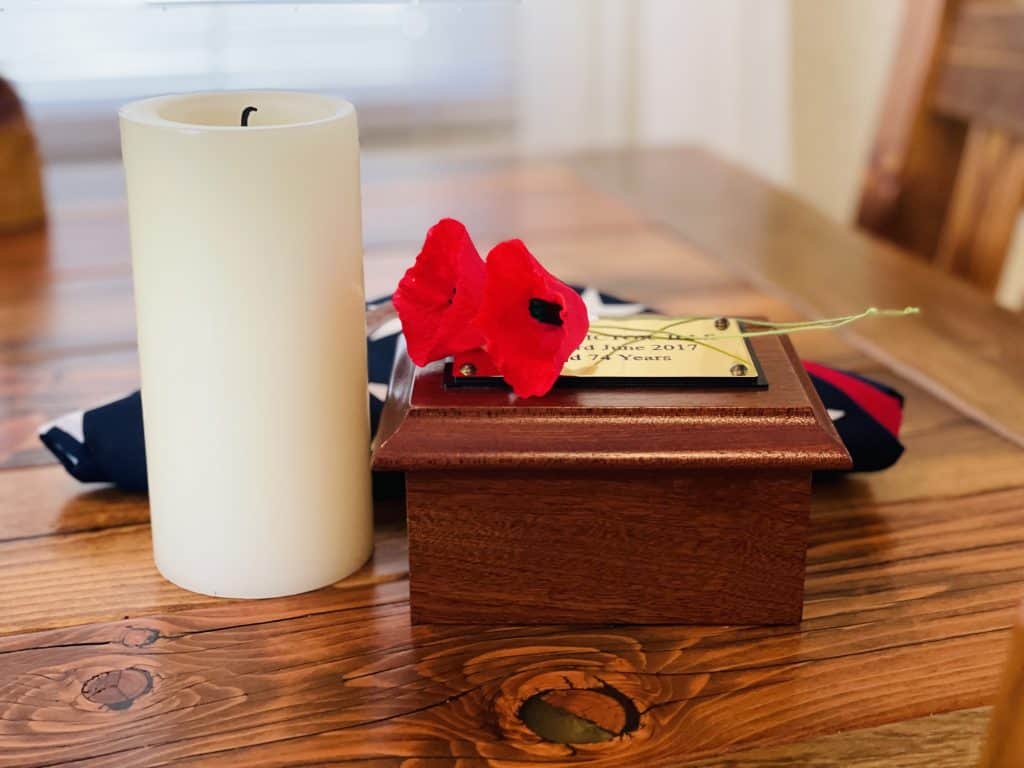
Direct cremation is the most affordable traditional disposition method for most Washington families. In the Seattle metropolitan area, DFS Memorials offers direct cremation for as low as $995, making it among the most affordable options available nationally.
A typical direct cremation package includes professional collection of the body from the place of death, necessary paperwork and permits, refrigeration while awaiting cremation, the cremation process itself, and return of ashes in a temporary urn. No viewing, embalming, casket, or ceremony is provided or necessary.
For a detailed city-by-city price comparison, visit our Guide to Cremation Costs in Washington State.
How Much Does a Full-Service Cremation Cost in Washington State?
Full-service cremation — also called “cremation with ceremony” — combines the simplicity of cremation with the ritual of a traditional funeral service. This option averages $5,306+ in Washington State, though costs can reach $6,000–$8,000+ depending on service choices.
Full-service cremation typically includes embalming, a viewing or visitation period, a funeral service at a church or funeral home, a casket (often $2,000–$5,000), transportation, cremation, and the return of ashes in an urn.
You can provide your own third-party casket, or choose a rental casket for $400–$600.
How Much Does a Traditional Funeral & Burial Cost in Washington State?
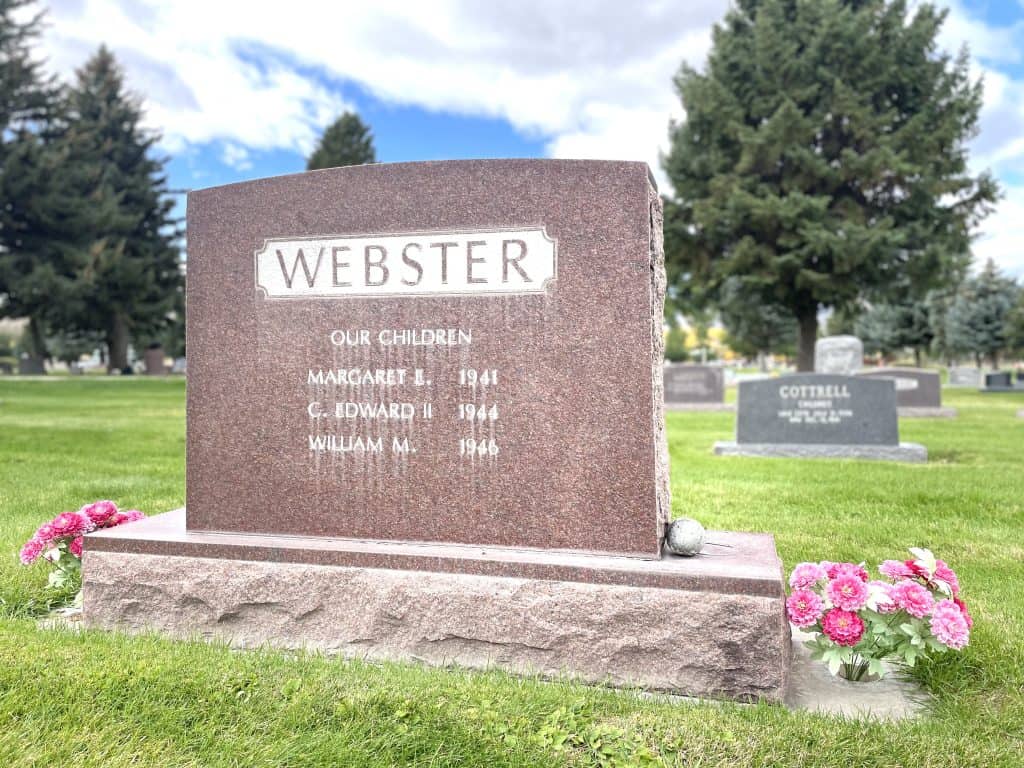
Traditional funeral and burial remains an important choice for many Washington families, particularly those with religious or cultural traditions emphasizing in-ground burial and formal ceremony. The average cost in Washington State is approximately $7,659+ for a basic traditional service, though costs frequently exceed $10,000 when all components are included.
Cost Breakdown – Traditional Funeral & Burial:
Funeral Home Services: $1,500–$2,500 (professional service fees, staff time, coordination)
Embalming & Preparation: $500–$800 (required for traditional viewing)
Water Cremation (Aquamation) in Washington State
Washington State was among the earliest adopters of aquamation, legalizing this environmentally friendly disposition method in May 2019 via Senate Bill 5001, signed into law by Governor Jay Inslee. Also called alkaline hydrolysis or bio-cremation, aquamation offers a compelling alternative to traditional flame cremation for families prioritizing sustainability.
How Aquamation Works:
Aquamation uses heat, water, and alkali (typically potassium hydroxide) to accelerate the natural decomposition process. The body is placed in a stainless-steel vessel filled with the alkali solution and heated to approximately 150 degrees Celsius (302 degrees Fahrenheit). Over 2-3 hours, the solution dissolves soft tissue, leaving bone fragments.
Aquamation vs. Flame Cremation:
Aquamation is significantly more environmentally friendly than flame cremation. Traditional flame cremation requires temperatures of 1,400-1,800 degrees Celsius and burns fossil fuel, emitting CO2 and mercury. Aquamation uses 90% less energy, produces zero emissions, and releases no mercury.
For environmentally conscious families, this difference is substantial. The bones produced are identical in composition and appearance to cremation ashes–families receive the same memorial object for scattering, burial, or home keeping.
Human Composting (Natural Organic Reduction) in Washington State
Washington Made History: On May 21, 2019, Washington State became the first state in the United States to legalize human composting. This groundbreaking legislation, signed by Governor Jay Inslee, took effect on May 1, 2020, and established Washington as a pioneer in innovative, environmentally conscious death care. The method is officially called Natural Organic Reduction (NOR).
What Is Human Composting (NOR)?
Natural Organic Reduction transforms the human body into soil through accelerated decomposition. The deceased is placed in a specially designed cylindrical vessel with organic materials, including wood chips, alfalfa, and straw. Over 30-45 days, naturally occurring soil microbes break down the body, aided by the oxygen flow within the vessel. Temperature monitoring ensures optimal conditions for decomposition. The result is approximately one cubic yard of nutrient-rich soil–essentially the same mass as the original body but transformed into life-giving earth that can nourish plants, gardens, forests, or natural areas.
The NOR Process Step-by-Step:
First, a family authorizes NOR at a licensed facility. The body is transported to the NOR provider’s facility. The deceased is placed in a moisture-controlled vessel with organic materials and positioned for optimal decomposition. Over the next 30-45 days, the family is updated on progress. Microbes naturally present in soil and plant material do the work. No chemicals, heat, or flame are involved.
Once complete, the soil is released to the family. Families may use the soil to plant a tree, landscape a garden, or scatter it in a meaningful location. Some donate their soil to environmental restoration projects or conservation land.
Green & Natural Burial Options in Washington State
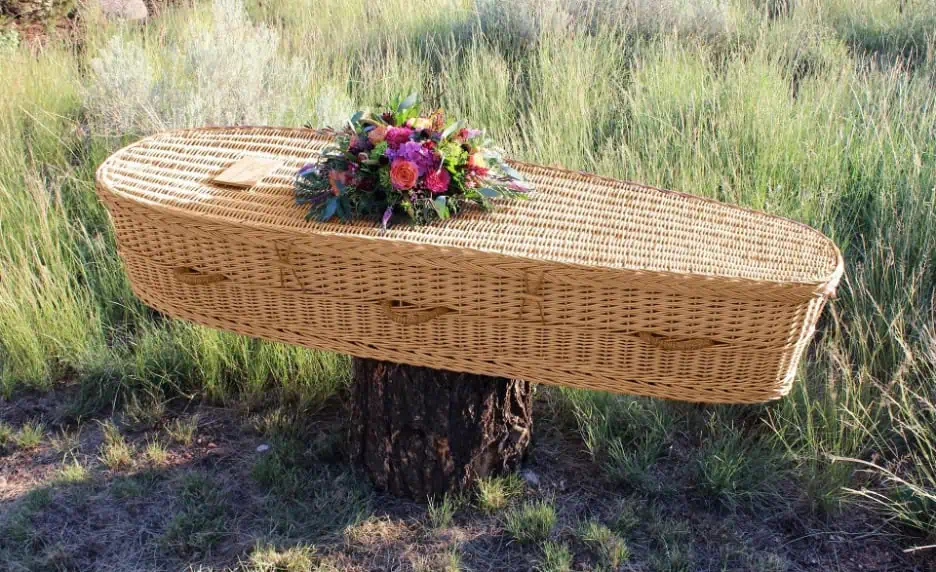
Green and natural burial reflects a commitment to environmental sustainability and a return to simplicity. Instead of chemical embalming and concrete vaults, the body is naturally buried, allowing it to decompose and return to the earth, nourishing the soil and supporting plant growth. Washington State has recognized this trend with five active natural burial cemeteries, making it one of the leading states for green burial options.
What Is Natural Burial?
Natural burial (also called green burial) eliminates embalming, metal caskets, concrete vaults, and artificial grave liners. Instead, the body is wrapped in a biodegradable shroud or placed in a simple wooden casket, coffin, or cardboard container. No chemicals are used. The body is buried directly in the soil, where it naturally decomposes.
Cemetery land is typically maintained as a nature preserve or meadow, with native plantings and wildlife habitat. Grave markers are often natural stone, native plants, or GPS coordinates rather than elaborate monuments.
Environmental Benefits:
Green burial also has a much lower carbon footprint compared to conventional burial or cremation, as it avoids energy-intensive processes and manufacturing. In Washington, many natural burial grounds are designed to preserve open space and native ecosystems, meaning each burial can contribute to land conservation and habitat protection—creating a lasting, living legacy that benefits both families and the environment.
Cremation, Burial & Funeral Laws in Washington State
Washington State has some of the most progressive and family-friendly funeral and cremation laws in the nation. Understanding these regulations is essential for planning affordable, legal end-of-life arrangements without unnecessary intermediaries or expenses.
No Funeral Director Required – Home Funerals Are Legal
Unlike many states, Washington does not require families to hire a licensed funeral director. Families may handle arrangements themselves, including washing and dressing the deceased, preparing the body for viewing, constructing a casket or shroud, announcing the death, holding a service, and arranging disposition.
This is called a home funeral or family-led funeral. Families must still comply with disposition laws (cremation, burial, donation) and obtain a death certificate, but handling these arrangements personally is legal and can save $1,000-$3,000 in funeral home fees.
No Embalming Required
Washington law does not mandate embalming. Families may keep the body at home for viewing, burial, or cremation without embalming. Refrigeration is available if needed (funeral homes or mortuaries can provide this for a fee). This is crucial for cost savings, cultural practices, and family preferences. Embalming costs $500-$800; avoiding it saves significant money.
How to Pre-Plan a Funeral or Cremation in Washington State
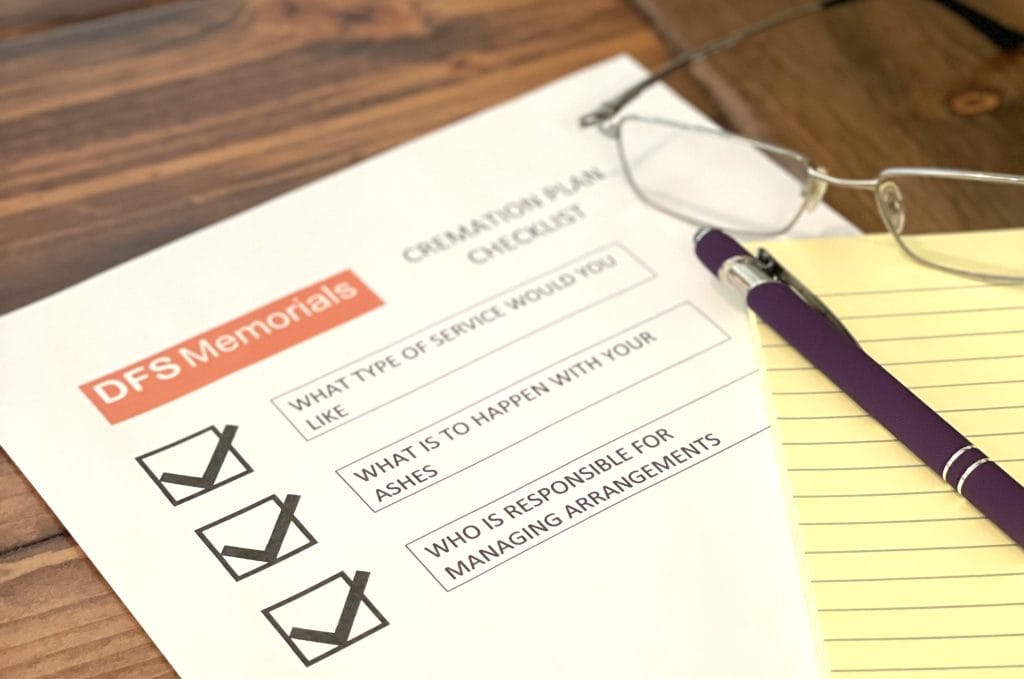
Pre-planning your funeral or cremation gives you time to consider options, lock in current prices, and spare your family the burden of making rushed decisions during grief. Washington offers several legal and affordable ways to pre-plan.
Preneed Contracts with Licensed Funeral Homes
You can sign a preneed contract directly with a licensed funeral establishment specifying your funeral or cremation preferences and paying in advance. Washington law requires preneed funds to be held in one of two ways:
Trust Fund: Your payment is held in trust by the funeral home. The funds remain in a special account and are released only when you die and your arrangements are carried out. This protects your money from the funeral home’s bankruptcy. Recommended.
Where Can I Scatter Ashes in Washington State?
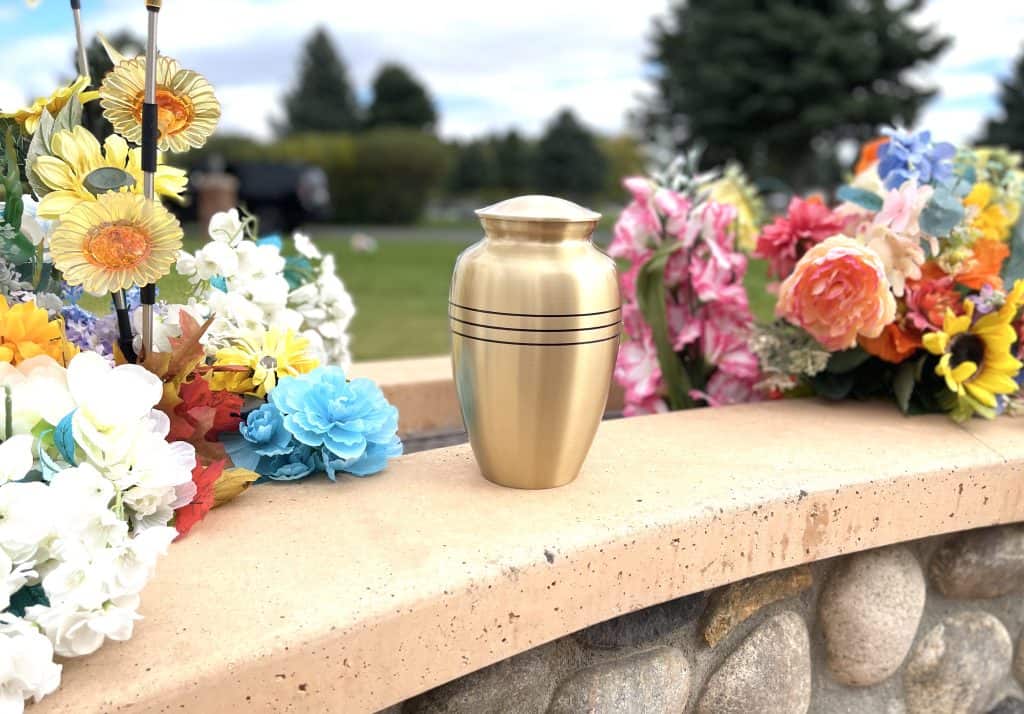
After cremation, families have flexibility in what to do with ashes. Scattering ashes honors the deceased while creating a meaningful connection to a beloved place. Washington law permits ash scattering at multiple locations, each with its own regulations.
Scattering on Private Land
You may scatter ashes on private land with the landowner’s permission. This includes your own property. No permits are required. Many families scatter ashes in beloved gardens, family property, or the property of close friends. This is the most straightforward option and allows intimate, private ceremonies with family members.
Note: If scattering on property you plan to sell, inform future owners in writing that ashes have been scattered on the land.
Scattering in National Parks and Public Lands
In Washington, scattering cremated remains in national parks and on public lands can be a beautiful way to honor a loved one, but it is important to follow specific regulations. Areas managed by the National Park Service generally allow ash scattering with a permit, provided it is done discreetly, away from developed areas, trails, and waterways.
Many families choose scenic locations such as Mount Rainier National Park or Olympic National Park, where natural beauty creates a meaningful setting for remembrance. Always check with the relevant park or land management office in advance, as guidelines can vary, and by respecting these rules, you help preserve these treasured landscapes for future generations.
Veterans’ Benefits & Military Funeral Honors in Washington State
Military veterans who served the United States are eligible for substantial funeral and burial benefits. Washington State is home to two national and state veterans cemeteries, and active-duty military personnel are entitled to military funeral honors at no cost.
Tahoma National Cemetery – Kent, Washington
Location: 18600 SE 240th Street, Kent, WA 98042 (south of Seattle)
Eligibility: Active-duty military members (all branches), retired military, veterans discharged with honor, and their eligible spouses and dependents.
Benefits: Free burial or interment. Free grave marker (standard Government-furnished headstone). Veterans receive priority. Eligible spouses and dependents may be buried in the same grave or adjacent plots at reduced cost.
What Financial Help Is Available for Funeral Costs in Washington State?
Funeral expenses can strain families financially. Washington State offers several programs to help families unable to afford full-cost arrangements.
Social Security Lump-Sum Death Benefit
All eligible families receive a one-time $255 payment from Social Security. While modest, this can offset costs slightly. To claim, contact Social Security at 1-800-772-1213 or visit SSA.gov after the death is reported.
How to Obtain Death Certificates in Washington State
Death certificates are issued and maintained by the Washington State Department of Health, through its Center for Health Statistics, and by local county health departments. Certified copies are typically required for handling legal and financial matters such as closing accounts, filing insurance claims, and settling estates.
You can order death certificates online, by mail, or in person (where available), with fees generally starting around $25 per certified copy. Immediate family members, legal representatives, and others with a documented “qualifying purpose” are eligible to request copies under Washington’s access laws.
Processing times can vary, but ordering through the state’s official system or the contracted service VitalChek is usually the fastest option. It’s advisable to request multiple certified copies at the time of application to avoid delays later in the estate settlement process.
Death Certificate Issuance in Washington State
After someone dies, the attending physician or medical examiner files a death report with the local county health department. The county then issues the official death certificate. The process typically takes 2-5 business days, though it may take longer if the death requires investigation (suspicious circumstances, sudden death).
Whole-Body Donation Programs in Washington State
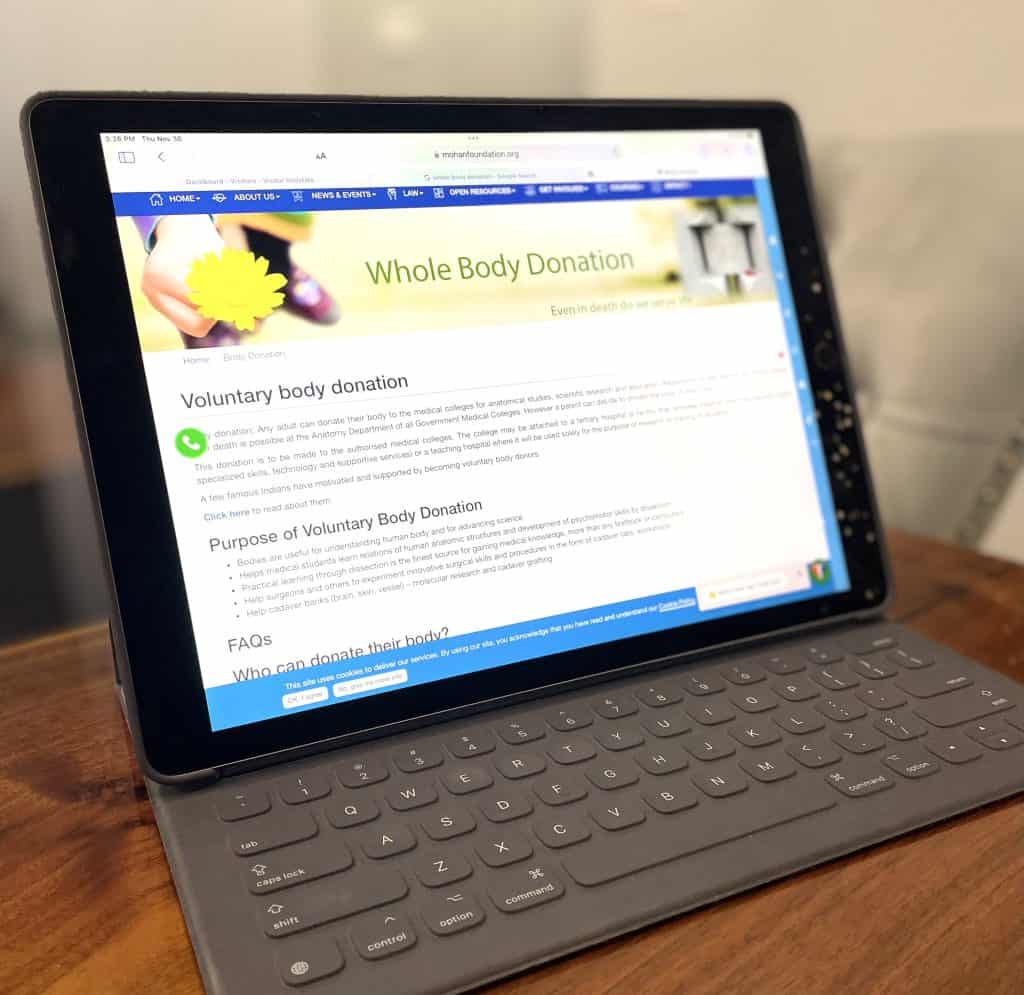
Whole-body donation offers families an alternative to traditional funeral arrangements while contributing to medical science and education. Donated bodies are used for medical training, anatomy research, the development of surgical techniques, and pathology studies. After use, remains are typically cremated and returned to families or buried through the program.
UW School of Medicine Body Donation Program
The University of Washington School of Medicine operates a non-profit body donation program serving Washington and neighboring states. The program accepts eligible whole-body donations for medical education and research.
Eligibility: Most people are eligible. Some exclusions apply (communicable diseases, bodies severely damaged by trauma, extreme obesity). The program evaluates each case individually.
End-of-Life Support & Death Doula Services in Washington State
Death doulas, also known as end-of-life doulas or death workers, provide emotional, spiritual, and practical support to people approaching end-of-life and their families. Working during the final days, hours, and immediately after death, death doulas create calm, dignified, and meaningful end-of-life experiences outside medical or funeral industry settings.
What Death Doulas Do:
Death doulas provide non-medical comfort care, including presence and companionship, listening and reminiscence, light physical comfort (hand-holding, gentle touch), spiritual or ritualistic support based on personal beliefs, family coordination and communication, preparation of the body after death (washing, dressing, wrapping), guidance on home funeral practices, and emotional support through grief. They are not medical professionals, do not provide medical care, and work in conjunction with hospice, palliative care, or family arrangements.
Visit our Washington State Death Doula Directory to find end-of-life support near you.
What to Do if a Loved One Dies Away From Washington State
When a loved one dies outside Washington State, families face additional complexity and expense. Remains must be transported, sometimes across state lines, and arrangements coordinated with out-of-state providers. Understanding options and costs helps families make informed decisions.
Option 1: Mortuary Shipper at Place of Death
When someone dies away from home, a mortuary shipper (a funeral home or mortuary service at the location of death) is needed to collect the body, prepare paperwork, obtain permits, and transport the remains. This requires:
Initial Mortuary Services: Professional collection, temporary storage, permit handling, and filing the death certificate with local authorities.
Shipping/Transportation: If transporting the full body (for burial or local viewing), a licensed mortuary shipper and carrier transport remains via vehicle to or from Washington.
Option 2: Direct Cremation at Place of Death:
Direct cremation of the deceased
Shipping Ashes to/from Washington: USPS has a bespoke service for shipping cremated remains.
How to Arrange Out-of-State Cremation:
Contact a funeral home or crematory at the location of death immediately after the person dies. Provide the deceased’s name, date of birth, and your contact information. Obtain their itemized price quote for direct cremation and ash shipment. Arrange payment (credit card or wire transfer). Request that ashes be shipped to your address or to a funeral home in Washington that will receive them. Ask for a tracking number and expected delivery date. Follow up to ensure ashes are shipped on schedule. Take delivery and plan a local memorial service or ash scattering in Washington.
Interstate Death Certificate Requirements:
When death occurs out-of-state, an out-of-state death certificate is issued first. You’ll need certified copies of the out-of-state death certificate for probate, insurance claims, and estate settlement. Washington may also require a “Certificate of Interstate Disposition” if remains are transported across state lines. Mortuary shippers handle these paperwork requirements, but verify completion before leaving the out-of-state provider.
Tip: Keep Costs Manageable
When a death occurs far from home, resist the pressure for expensive full-body transportation. Cremation at the place of death with ashes shipped to Washington is legal, cost-effective, and allows your family to hold meaningful services at home without unnecessary expense. Many families hold a local memorial service in Washington at minimal cost (at a church or community center), making this approach both affordable and emotionally satisfying.
For comprehensive information and planning help, visit our guide on what to do when death occurs away from home.
Sending Funeral Flowers to a Service in Washington State
Sending flowers to a funeral service is a time-honored way to express sympathy and honor the deceased. Flowers brighten the ceremony space, provide comfort through their beauty, and represent your support for the grieving family. Washington florists offer an array of funeral flower arrangements, from traditional wreaths and standing sprays to modern mixed bouquets.
How to Order Funeral Flowers:
Call a local florist in the area where the funeral service is held, or order online through a national florist delivery service (FTD, Teleflora, 1-800-Flowers). Provide the funeral home name and location, service date and time, deceased’s name, and the flower arrangement you’d like (standing spray, wreath, bouquet). Include a card message expressing your condolences. Arrange payment and delivery to the funeral home. Most florists deliver flowers the day before or the morning of the service.
Our Funeral Flowers Guide
Flowers are still one of the most common ways to show sympathy, but prices and etiquette have changed. Our guide to sending funeral flowers covers what to send, typical costs, card messages, and how to get flowers to a Washington funeral home on time.
Funeral Flower Etiquette:
Most funeral services welcome flowers as a sign of respect and support. However, some families or cultural/religious traditions prefer donating to charity rather than sending flowers. Always check the obituary or funeral notice for any directions regarding flowers or charitable donations. If a family says, “In lieu of flowers, please send donations to [charity],” respect that wish.
How to File a Complaint About a Funeral Provider in Washington State
While most funeral homes provide respectful, ethical service, problems occasionally arise. If you experience deceptive pricing, shoddy service, improper handling of remains, or a violation of consumer rights, you have options for filing complaints and seeking recourse.
Washington State Department of Licensing – Funeral & Cemetery Board
Agency: WA State Department of Licensing (DOL), Funeral & Cemetery Division
How to File: Submit a written complaint describing the issue, including the funeral home name, location, dates of service, persons involved, and specific violations alleged. Include supporting documentation (contracts, receipts, correspondence). Mail or fax to the DOL address provided on their website. The DOL investigates complaints and can issue sanctions, fines, or suspend or revoke licenses for violations.
Washington State Funeral Directors Association (WSFDA)
Address: 1535 SW Dash Point Road, Federal Way, WA 98023
Role: Professional association for funeral directors. Members agree to a code of ethics. Non-members may file complaints; the WSFDA coordinates with the DOL.
How to File: Contact WSFDA with details of your complaint. They may mediate your complaint or refer it to the state DOL for investigation.
People’s Memorial Association (PMA)
Address: 1801 12th Avenue, Suite A, Seattle, WA 98122
Phone: (206) 325-0489
Website: peoplesmemorial.org
Founded in 1939, People’s Memorial Association is a non-profit consumer education organization dedicated to making funeral arrangements more affordable and meaningful. PMA offers:
Funeral planning, education, and consumer guides
Complaint mediation and advocacy
Discounted or pre-planned arrangements through participating funeral homes
Information on low-cost cremation and burial options
PMA members receive discounts at participating funeral homes and access to educational resources. Contact PMA if you have complaints, questions, or need guidance on affordable arrangements.
Federal Trade Commission (FTC) – Funeral Rule
The FTC’s Funeral Rule enforces federal consumer protections for funeral services, requiring funeral homes to provide itemized pricing, accept outside caskets, and avoid deceptive practices. If a Washington funeral home violates the Funeral Rule, you can file a complaint with the FTC at reportfraud.ftc.gov. While the FTC does not resolve individual complaints, it uses them to identify patterns of fraud and to enforce compliance nationwide.
What to Include in a Complaint:
Funeral home name, location, and phone number. Date(s) of service or interaction. Specific complaint (deceptive pricing, improper handling, refusal to accept outside casket, etc.). Relevant documents (contract, price list, receipts, correspondence). Names and contact info of witnesses, if applicable. Your contact information and preferred resolution (refund, specific action, etc.)
Funeral costs in Washington can vary widely depending on the type of service. A direct cremation is typically the most affordable option, often ranging from $900 to $2,500, while a traditional funeral with burial can cost $7,000 to $12,000 or more. Prices may be higher in metro areas like Seattle, so it’s important to compare providers and understand exactly what is included in each package.
In Washington, the right to make funeral arrangements follows a legal order of priority, starting with a designated agent (if one was named), then a spouse or domestic partner, followed by adult children, parents, and other next of kin. If no one is available, a court-appointed representative may take responsibility. Understanding this hierarchy can help avoid disputes and delays during arrangements.
Yes, burial on private property is permitted in Washington, but it is subject to local zoning laws and regulations. You must obtain approval from the county or city, ensure the burial site is properly recorded, and comply with health and environmental guidelines. Many families instead choose established cemeteries or natural burial grounds, which handle these requirements and offer a maintained, permanent resting place.
Arranging a direct cremation in Washington is relatively simple. You can contact a licensed funeral home or cremation provider, complete the required authorization forms, and provide details for the death certificate. Washington law allows families to decline embalming and unnecessary services, making direct cremation a straightforward and cost-effective option. Many providers can make arrangements online or over the phone.
Washington is one of the most progressive states for environmentally friendly end-of-life choices. In addition to green burial, families can choose alkaline hydrolysis (aquamation)—a water-based alternative to cremation—or natural organic reduction (human composting), which gently transforms the body into soil. These options have a significantly lower environmental impact than traditional burial or flame cremation and are legally permitted in Washington, making the state a national leader in sustainable funeral practices.
Consumer Resources & Additional Information:
Browse our directory of funeral homes in Washington State to research providers and read family reviews. Compare services and pricing across multiple homes.
Visit DFS Memorials’ Washington page for affordable cremation pricing.
Review our Seattle funeral guide for city-specific information and resources.
Consult our detailed guide to cremation costs in Washington for city-by-city price comparisons.
Consumers in Washington have strong legal protections and advocacy resources. Never hesitate to file a complaint if you believe you’ve been treated unfairly or deceptively. These agencies exist to protect families and hold funeral providers accountable.


