Death doulas are growing in numbers and becoming more ‘mainstream’ in the end-of-life care sector. However, there is often confusion about the role of a death doula compared to that of a hospice worker.
This guide clarifies the distinction. For a complete overview of what death doulas do, typical costs, and how to find one in your state, see our complete guide to death doulas and end-of-life support.
In this guide, we aim to help you differentiate between the roles of an EOL doula and a hospice worker. Both these very important roles support end-of-life care, and can have some responsibility overlaps, but also some key differences.
Key Takeaways
- Death doulas offer emotional, spiritual, and practical support, while hospice workers provide medical care for terminally ill patients.
- Doulas can assist with legacy projects and non-medical aspects of end-of-life care, whereas hospice staff handle pain management and clinical needs.
- Training for death doulas is unregulated and varies widely, while hospice workers require formal medical certifications and follow strict healthcare standards.
- Families often choose death doulas for personalized support and non-medical care that complements the medical focus of hospice services.
- Both roles can work together to deliver comprehensive end-of-life care, enhancing the overall experience for patients and families.
The Different Roles and Focus of Doulas vs. Hospice

Death Doulas:
A doula is typically a non-medical professional who provides holistic, emotional, spiritual, and practical support to individuals nearing the end of life and their families. Their focus is on creating a personalized, comforting experience that emphasizes emotional well-being, legacy work, and family support.
Hospice Workers:
Generally, hospice care workers are licensed medical professionals (e.g., nurses, doctors, social workers) or trained aides who deliver clinical care and support to patients with a terminal prognosis (typically six months or less to live) under a hospice care program. Their primary focus is on managing physical symptoms and providing medical comfort.
What Are the Different Services Provided by EOL Doulas vs. Hospice Care?
Death Doulas:
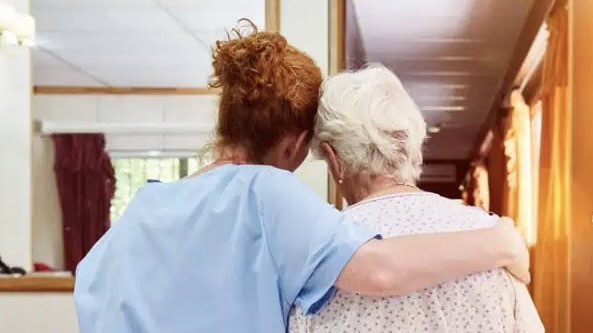
A doula typically offers companionship, education about the dying process, assistance with legacy projects (e.g., memory books, letters), vigil planning, grief support, and help in coordinating family wishes. They may also guide families in creating rituals or navigating non-medical aspects of end-of-life care.
A doula may also offer pre- and post-death care as part of their services. Hospice may have resources, counselors, or referral programs for post-death support.
Doulas can help a family plan a simple, dignified, and affordable funeral or cremation as part of their dedicated services. Many doulas are networked with DFS Memorials and other local alliances offering low-cost death care planning services.

Hospice Workers:
Hospice workers are trained to provide medical care (e.g., pain management and medication administration), nursing services, physical therapy, counseling, and coordination with healthcare providers. They follow a medical plan of care, often covered by insurance or Medicare, to ensure physical comfort and regulatory compliance.
What Training and Qualifications Do Death Doulas Have Compared to Hospice Staff?
Death Doulas:
No medical license is required to practice as an EOL Doula. It is, at present, a rather ‘unregulated’ service with no formal accreditation. End-of-life death doula training varies in scope and duration, and many doulas complete an online certification course.
There are comprehensive training programs offered through organizations such as INELDA, NEDA, the University of Vermont, and IAP College, focusing on emotional, spiritual, and practical support skills. But the fact that there is no definitive requirement, certification, or licensing to practice as a doula can mean the skill set of death doulas can differ significantly.
Many doulas have come to practice from other EOL care fields, such as hospice, assisted living, senior care, and Law, or simply because of considerable experience with death in their family or community networks.
To most who desire to practice in this field, it is often a vocation or calling. They resist the fear and aversion to death, or the unpreparedness, that many individuals or families feel. Their role is largely one of being a guide. An ‘outsider’ who can objectively help with a forthcoming passing.
Hospice Support Staff:
Hospice workers usually require formal medical or professional certifications (e.g., RN, LPN, CNA, or social work degrees) and are regulated by state and federal healthcare standards.
Training includes clinical skills, symptom management, and legal/ethical considerations. As much hospice work these days is corporately-run, the requirement for formal certification and insurance is even more of a criterion for employment in a hospice environment.
Sometimes there are volunteer hospice workers. These individuals are often former/retired nursing staff or in-training death doulas.
Considering the Different Setting and Scope of the Roles of Doula vs. Hospice Care

See also the concise on-page comparison table in our complete death doula guide for a quick reference.
Death Doulas:
Generally, doulas work independently, often hired privately by families, and can support clients at any stage of illness or dying, not just in the final months. They operate in homes, hospitals, or other settings, focusing on non-medical needs.
A doula can be hired at any time when an individual is preparing for death. There is no set time frame on the services they can deliver, and many will straddle both pre- and post-death support for a family.
Doulas typically work independently and offer their support services individually. They may utilize additional support from within their own doula alliance or network.
Hospice Workers:
Whereas hospice staff operate within a structured hospice organization, typically in a patient’s home, hospice facility, or hospital. Their services are tied to a formal hospice care plan and are available only when a patient qualifies for hospice (terminal prognosis).
Typically, there is a more rigid time frame with hospice worker care. Hospice care is generally reserved for the final months or weeks of a terminal illness or the elderly with limited life expectancy and medical support needs.
Hospice workers usually work as part of a multidisciplinary healthcare team, with clear, structured roles specializing in different aspects of end-of-life care.
Why Families Choose Death Doula and/or Hospice Care
Death Doulas:
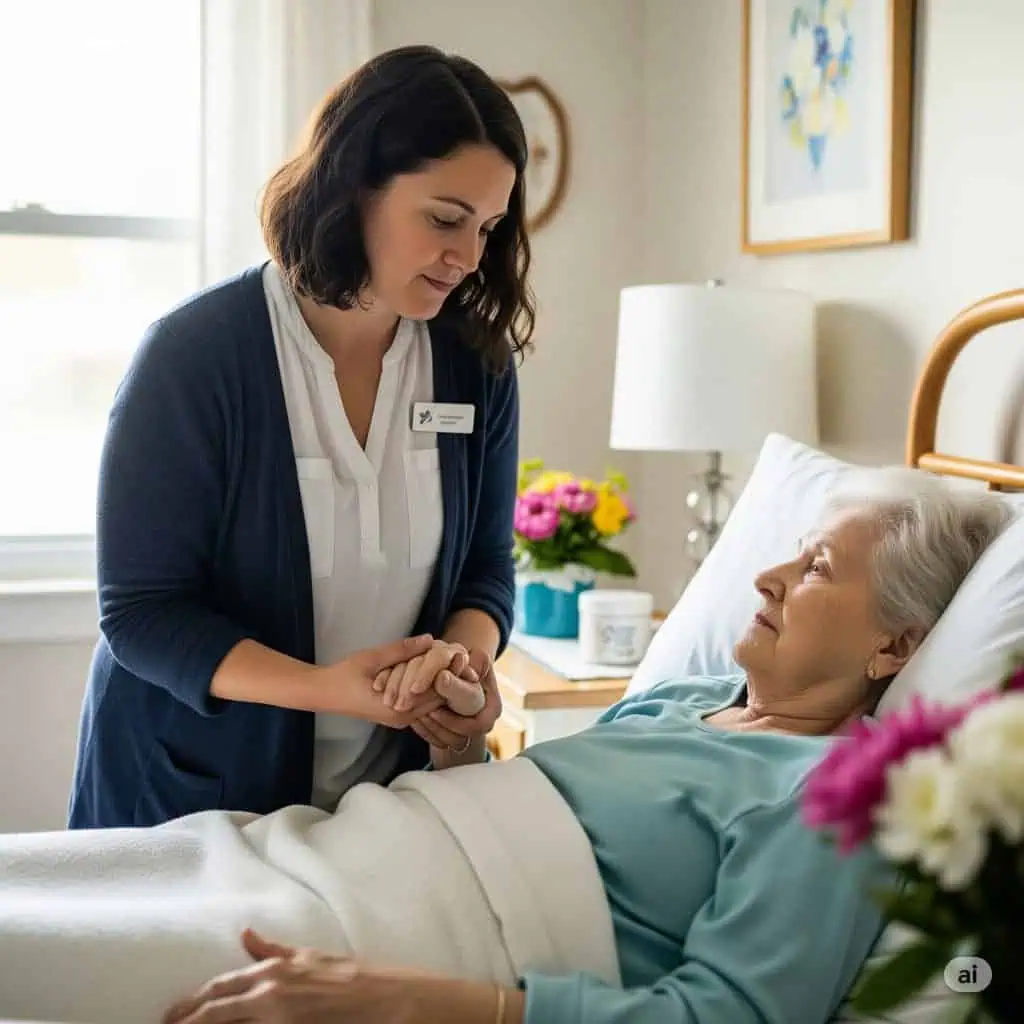
Their role and input are valued for the flexibility, personalized emotional support, and ability to fill gaps in non-medical care, which can help families create meaningful end-of-life experiences and navigate the grief process.
They are often a supplement to hospice care and can add incremental services and value, or help enhance the essential EOL care plan being followed with the hospice.
The number of death doulas has grown from approximately 260 members of the National End-of-Life Doula Alliance in 2019 to over 1,600 by 2024 — a more than fivefold increase in five years.
For a deeper look at the cultural and demographic forces driving this growth, see What’s Fueling the Rise of Death Doulas in the US?
Hospice Workers:
They play a crucial role in providing medical expertise, managing pain, and ensuring physical comfort. The service provided is often covered by insurance, making them critical for patients with complex medical needs.
How To Choose the Right Care Option for You or a Loved One: Doula or Hospice?
Check out our curated selection of guides and articles about Death Doulas.
This can be a very personal decision or dictated by medical needs. The following list of questions about medical needs, emotional support, legacy planning, funeral planning, and preferred care model ‘setting’ can help you to make a decision about EOL care options.
If daily support for medical needs, pain meds, or tasks of basic care are needed – a hospice environment may be the best option.
If the person dying feels afraid, alone, unprepared, or desires a comforting ‘guide’ to help them process their final journey – then a doula may be the best option to meet that need. Hospice care can also provide spiritual and social support in addition to medical care; it can be encompassed in a comprehensive hospice care and support plan.
Help to figure out an advance directive, living will, or plan your funeral or cremation services?
These are all considered essential roles that a doula offers. Hospice staff can assist with this by assigning a social worker or chaplain to help.
The roles you require from either a death doula or hospice can be driven to some degree by the time frame. Hospices tend to have a larger consortium of support services to call upon if time is short. Whereas a doula, working solo, will need the required hours/time to deliver a range of services.
Can a Patient Integrate Hospice Services with Death Doula Support?

Absolutely. As I mentioned earlier, I believe this will become a more common approach in the EOL care sector going forward. The number of death doulas has grown from approximately 260 members of the National End-of-Life Doula Alliance in 2019 to over 1,600 by 2024 — a more than fivefold increase in five years.
For a deeper look at the cultural and demographic forces driving this growth, see What’s Fueling the Rise of Death Doulas in the US?
Many EOL patients will automatically come under hospice care, but may find they desire a bespoke, comforting, and customized care plan. This is where a doula can provide a vital support role. Whether to a patient already in a hospice facility, or a person who has opted for at-home end-of-life care.
In Summary….
Death doulas provide non-medical, holistic support tailored to emotional and spiritual needs, complementing the medical focus of hospice workers, who prioritize clinical care and symptom management within a regulated framework. Both roles can work together to offer comprehensive end-of-life care.
Browse our free, independent state-by-state directory of end-of-life doulas to find practitioners serving your area: Find a Death Doula in Your State →
You can also explore how much a death doula costs or read our full guide to the 7 benefits of doula support.


