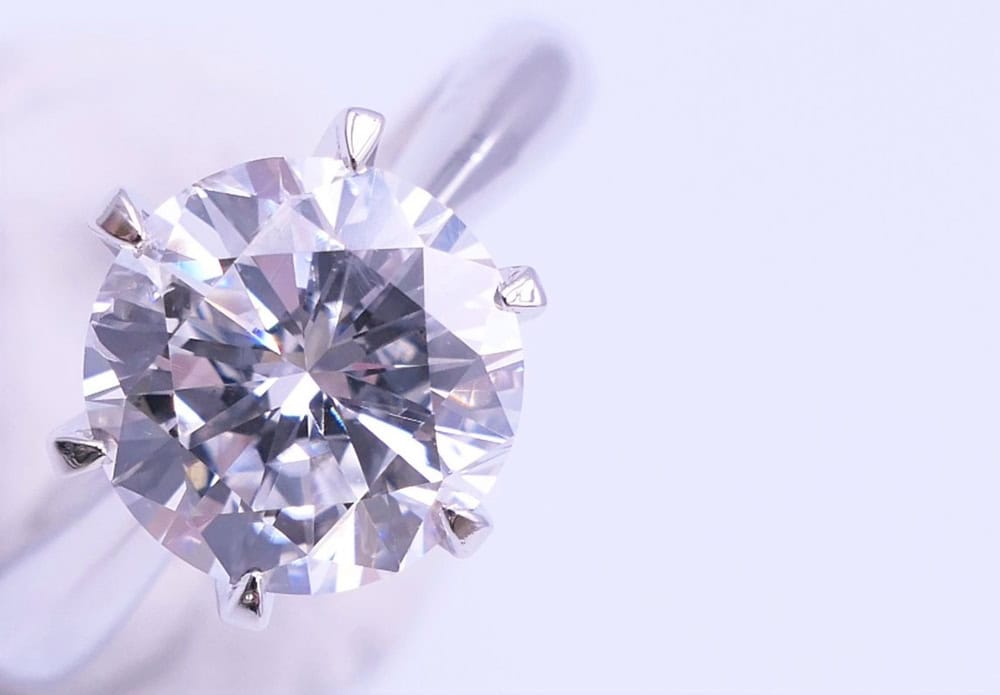
Some families want to keep a loved one close in a way an urn on a shelf can’t. A cremation diamond, sometimes called a memorial diamond, is one of the most personal options. It’s also one of the most expensive, and it takes months to make.
This guide explains what you’re actually buying, what the leading companies publish about price and timing, and what to ask before you send any ashes away.
What is a cremation diamond?
A cremation diamond is a lab-grown diamond made with carbon recovered from cremated remains or hair. It isn’t glass or a simulant. Algordanza, a Swiss company, says its memorial diamonds meet the ISO 18323 definition of a “laboratory-grown diamond” (Algordanza).
Laboratory-grown is the key phrase. Physically it’s a diamond, and its value comes from where its carbon came from. Don’t expect resale value like a mined stone.
How are cremation diamonds made?
The human body contains a lot of carbon. Much of it leaves as carbon dioxide during cremation, but some remains in the ashes (Eterneva). The broad process is similar across companies:
- Collection. The family sends a measured amount of ashes or hair to the laboratory, usually using a shipping kit the company provides.
- Carbon extraction. The lab isolates and purifies the carbon, removing the other minerals in the ashes.
- Growth. The purified carbon is placed in a high-pressure, high-temperature (HPHT) press that recreates the conditions that form diamonds underground.
- Cutting and grading. The rough stone is cut (or left uncut, if you choose) and usually sent for an independent grading report.
- Setting. You receive the loose diamond or have it set as a ring, pendant or other jewelry, often at extra cost.
At Algordanza, the size of the diamond depends on how long it stays in the press, not on how much ash you send (Algordanza).
How much ash is needed?
Requirements vary by company:
| Company | Ashes | Hair |
|---|---|---|
| Eterneva | About ½ cup (2 tbsp to ½ cup on some pages) | About 10 grams |
| Algordanza | At least 500 grams | 5 grams |
An adult’s cremated remains usually weigh several pounds, so most of the ashes can stay with the family for an urn, scattering or burial. If you’d prefer every part of the ashes to go into the diamond, or none of the remainder returned, say so in writing before you ship. Algordanza offers an option to extract carbon from the whole amount sent (Algordanza).
How much do cremation diamonds cost?
Price depends mainly on carat weight, then on color and cut. These are the published starting points we checked in November 2026:
| Company | Starting price | Notes |
|---|---|---|
| Eterneva (Austin, TX) | $2,999 | Price rises with carat. Eterneva lists a 5-carat stone at $75,000 and says all colors and cuts cost the same (source). Financing offered. |
| Algordanza (Switzerland) | CHF 3,500 for a 0.30 ct rough (uncut) stone | Price set by carat, cut or uncut, and carbon source. Swiss franc pricing; ask for the US dollar quote. |
For context, the national average for a direct cremation is $2,203 (our cremation cost guide). A small memorial diamond can cost more than the cremation itself. That’s no reason to rule it out, but it is a reason to separate the two decisions. Arrange the cremation first and take your time over the memorial.
How long does it take?
Plan for months, not weeks. Eterneva gives an average of 7 to 10 months from receiving the ashes or hair to completion (Eterneva). Larger stones need longer in the press. If the diamond is meant for a particular date, such as an anniversary or a wedding, tell the company before you order and ask whether it can commit to that date.
Questions to ask before you order
- Is the diamond grown only from my loved one’s carbon? Some processes can add other carbon. Ask what goes into the growth cell, and get the answer in writing.
- How do you track the ashes? Ask how the sample is labeled and kept separate, and what certificate of origin you’ll receive.
- What happens to unused ashes and carbon? Will they be returned, kept or disposed of?
- What is included in the price? Cutting, grading report, setting, shipping and insurance may be extra.
- What if the diamond doesn’t grow or has flaws? Ask about regrowth, refunds and the cancellation policy at each stage.
- Where is the lab? Ask whether the diamond is grown in-house or by a subcontractor, and in which country.
Be cautious about prices far below the published range. Eterneva warns about “memorial diamonds” advertised for a few hundred dollars (Eterneva). That warning comes from a competitor, so judge any company, Eterneva included, on its written answers to the questions above.
Lower-cost ways to keep ashes close
If a diamond is outside your budget, or the wait is too long, you have other options:
- Cremation jewelry holds a small amount of ashes in a sealed pendant, ring or bracelet, and is usually ready within weeks.
- Keepsake urns let several family members each keep a portion.
- Scattering part of the ashes somewhere meaningful can sit alongside any keepsake. See our guide to ash scattering.
- Memorial reefs place ashes in an ocean reef structure. See memorial reefs.
You don’t have to choose just one. Many families split the ashes between a keepsake, an urn and scattering.
Cremation diamond FAQs
Are cremation diamonds real diamonds?
Yes. They’re laboratory-grown diamonds. Algordanza says its stones meet the ISO 18323 definition of a laboratory-grown diamond.
Can a diamond be made from hair instead of ashes?
Yes. Both Eterneva and Algordanza accept hair. They ask for about 10 grams and 5 grams respectively.
Can a diamond be made from a pet’s ashes?
Some companies make pet memorial diamonds. Ask about pet requirements directly, as the amount of ashes needed may differ.
Can I plan a cremation diamond in advance?
Some companies offer pre-planning. Eterneva has a pre-planning program, and Algordanza mentions pre-paid plans. Read the terms carefully. A plan bought years ahead depends on the company still operating when it’s needed.
Will I get all of the ashes back?
Usually you get back whatever isn’t used, but policies differ. Confirm in writing before shipping.
Research checked: November 16, 2026, using the company sources linked in this article. Prices and timelines change, so confirm current terms with the company before ordering.


