As the cost of traditional funerals continues to rise, many families in Hawaii are turning to cremation as a more affordable and flexible alternative. Hawaii has one of the highest cremation rates in the United States, and several cremation options are available to families—deciding which type of cremation service is required is important.
Looking for the full picture: burial, veterans’ benefits, body donation and Hawaii funeral law? See our Hawaii Funeral & Cremation Guide.
DFS Memorials is a nationwide network of independent local cremation providers. Visit the Hawaii resource page to explore providers and cremation prices near you.
Hawaii Cremation Costs at a Glance
- Lowest-cost option: Direct cremation, with no viewing or funeral ceremony before cremation.
- Current advertised examples: Around $1,195 in Hilo and $1,495 in Honolulu from providers publishing direct-cremation prices online. Prices vary substantially by provider and island.
- Death certificate: $10 for the first certified copy and $4 for each additional copy of the same record ordered at the same time, plus the applicable Hawaii Department of Health administration fee.
- Waiting period: Hawaii does not impose a separate fixed statutory waiting period before cremation, but the death must be registered and a disposition permit issued before final disposition. Hawaii also has an unusually short body-care timetable.
- Key consumer protection: Under the FTC Funeral Rule, consumers can choose only the funeral goods and services they want, subject to limited required charges, and a traditional casket cannot be required for direct cremation.
Last fact-checked: August 2026. Legal and government-fee information was checked against Hawaii Department of Health, Hawaii Revised Statutes, Hawaii Administrative Rules, U.S. EPA and Federal Trade Commission sources.
The most economical service is known as a “direct cremation,” where the deceased is taken into the care of a funeral home/cremation provider, all the necessary legal paperwork is completed, and the body is then cremated. There is generally no viewing or service with a direct cremation.
What are the different types of cremation service options and costs in Hawaii?
There are 3 main types of cremation choices available to families in Hawaii, and we have outlined the differences below.
Direct Cremation – a direct cremation involves cremation without a formal funeral service beforehand. This basic service has become popular because of its simplicity and lower cost. There is no single reliable statewide “average” price for direct cremation in Hawaii. Current advertised examples include approximately $1,195 in Hilo and $1,495 in Honolulu, while other providers charge considerably more. The price a family actually pays depends on the island, transfer distance, crematory arrangements, the provider and any additional services required.
Pricing methodology: US Funerals Online uses publicly advertised provider prices and available General Price List information as market examples rather than presenting a single statewide average where the local sample is too varied. Advertised prices are snapshots, not quotes, and may change. Always ask the provider for its current itemized General Price List and confirm what is included before authorizing services. Pricing reviewed August 2026.
However, it is crucial to note that prices can vary significantly depending on the location, with providers on Oahu (Honolulu) generally offering more competition and choice than the neighbor islands of Maui, Hawaii Island (Hilo and Kona), and Kauai — where fewer crematories and inter-island transportation can add to the cost.
This discrepancy can be attributed to factors such as increased competition, higher population density, and greater availability of cremation facilities.
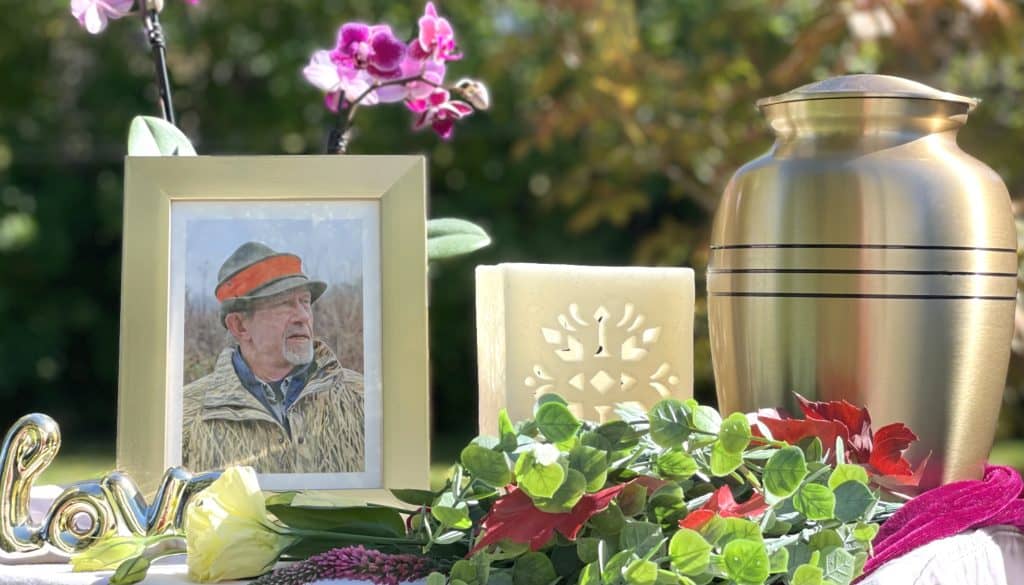
Cremation Memorial Service – a cremation memorial typically refers to cremation taking place prior to a memorial service. The memorial service can be held at the funeral home, chapel, church, place of worship, or at any chosen location. Some families today choose to hold memorial services at community venues or at the beach.
The memorial service will usually be held with the cremation urn present as a focal tribute to the deceased. However, memorial services are also held without the cremated remains present.
It is not as simple to give an overview of cremation memorial services’ costs, as the ‘variable’ of the memorial service will dictate the final cost. Much will depend on whether the memorial service is conducted by the funeral home and other ancillary services. Such as the type of cremation urn selected, flowers, photographs, and other tribute materials.
As a guide, a Cremation Memorial Service in Hawaii can cost between $2,800 – $6,500.
Full-Service Cremation Funeral – This type of service is a full-service funeral, with the cremation conducted after the funeral service. Some families want to hold a visitation, wake, or formal funeral ceremony, even if they choose cremation.
A viewing, visitation, or vigil can be held at the funeral home. Family and friends can gather for a funeral service, typically with the deceased present. Following the funeral ritual, the deceased is transferred to the crematory for cremation, and the cremation ashes are then returned to the family.
This type of cremation service is like a traditional funeral service, except the deceased is cremated after the ceremony and services instead of being transferred to the cemetery for burial.
This option enables a family to have all the traditional funeral rituals without the additional expense of cemetery plot costs. Or a family may have a cemetery plot where they wish to inter the cremated remains.
As a guide, a Full Service Cremation Funeral in Hawaii typically ranges from $5,000 to $8,000 or more.
Compare Cremation Options and Costs in Hawaii
| Service option | Indicative Hawaii cost | Ceremony timing | Best suited to |
|---|---|---|---|
| Direct cremation | Advertised examples from about $1,195–$1,495; other providers charge more | No funeral ceremony before cremation | Simplicity and lower cost |
| Cremation + memorial | Often about $2,800–$6,500 depending on venue and services | Usually after cremation | Flexible, personalized memorials |
| Full-service cremation funeral | Often about $5,000–$8,000+ depending on services | Before cremation | Traditional funeral rituals without burial |
Understanding average cremation costs in Hawaii today
As discussed, cremation costs vary considerably by service type, provider and island. This is why a single statewide “average” can be misleading. A low advertised direct-cremation price may also differ from the final amount if transportation, permits, crematory charges or other third-party costs are additional. Compare like-for-like services and ask each provider exactly what its quoted price includes.
For this reason, US Funerals Online treats statewide averages cautiously and gives greater weight to current local advertised prices, General Price Lists and clearly stated service inclusions.
Choosing between the options: Direct cremation generally provides the lowest-cost disposition and allows a family to arrange a memorial later. A cremation memorial adds ceremony and personalization after cremation. A full-service cremation funeral retains more traditional funeral rituals before cremation and therefore usually costs more. The comparison table above is designed to make these differences easier to evaluate without treating unlike service packages as equivalent.
What Can You Do with Cremation Ashes in Hawaii?
After a cremation service, a family has several options for what to do with the cremation ashes. This may depend on their preferences and beliefs. Or the costs associated with cremation memorialization choices.
Listed below are the main options for you to consider:
1. Keep the ashes at home: Many families choose to keep the ashes in an urn or a special container at home. This allows them to create a comforting presence and keep their loved ones nearby. Some families even choose to display the ashes in a special area or create a memorial space.
2. Bury the ashes: Families can choose to bury the ashes in a cemetery or a designated burial plot. This provides a more permanent resting place and allows for future visits and remembrance. In addition to cemetery burial plots, many cemeteries now offer dedicated cremation columbarium niches and bespoke memorial scattering gardens. Some gardens offer small plaques or benches to create a long-lasting tribute.
3. Scatter the ashes: Scattering the ashes can be a meaningful way to honor the deceased’s memory, and scattering cremation ashes at sea is an especially popular and culturally meaningful choice in Hawaii. Ocean scattering is regulated by the U.S. Environmental Protection Agency (EPA): cremated remains must be released at least three nautical miles from shore, and the event must be reported to the EPA within 30 days using its online reporting process. Flowers and wreaths placed on the water must be readily decomposable — no plastics, metals, or non-decomposable urns. Many charter operators on each island offer dedicated ocean scattering trips.
These are just a few suggestions, and it ultimately depends on the family’s wishes and cultural or religious practices. It may be helpful to consult a funeral director, who can provide guidance and support as you decide.
Remember that there is no timeframe for when or how to memorialize a loved one. So, if you are unsure, do not make a rushed decision.
What Hawaii Legislation Governs the Requirements for Cremation Arrangements?
Hawaii regulates the funeral and cremation industry differently from most states. Notably, Hawaii is one of the few states that does not license funeral directors or embalmers, and there is no state funeral directors board. Instead, oversight is shared: the Hawaii Department of Commerce and Consumer Affairs (DCCA), through its Regulated Industries Complaints Office (RICO), regulates cemetery and pre-need funeral authorities, while the Hawaii Department of Health (DOH) handles death registration, disposition permits, and sanitation requirements.
The main key points are:
Authorization: Before a cremation can occur, the person with the legal authority to make decisions regarding the deceased’s remains must provide written authorization. This is generally referred to as the Cremation Authorization.
Permit for disposition: A burial-transit (disposition) permit is required before cremation. In Hawaii this permit is issued by the local registrar of the Department of Health, generally within 72 hours of death, once the death has been registered. The funeral home or crematory typically handles this process.
Timing: Hawaii has an unusually short body-care timetable. Under Hawaii Administrative Rules §11-22-4, a dead human body generally must be embalmed, cremated, or buried within 30 hours after death. Specific exceptions and refrigerated-storage provisions apply in certain circumstances, including when remains are under coroner or medical-examiner control. See the Hawaii Department of Health mortuary and cemetery rules.
Identification: Hawaii requires that the deceased be properly identified and tracked throughout the entire cremation process. This helps ensure the correct remains are returned to the family.
Documentation: Detailed records must be maintained throughout the entire cremation process, including information about the identity of the deceased, the date and time of the cremation, and any medical devices or implants present.
Cremation container requirements: Hawaii law does not require the use of a casket for cremation. Families have the option to use a simple container made of combustible materials, such as a cardboard casket or an alternative container specifically designed for cremation. The choice of container may depend on personal preference or any specific requirements set by the funeral home or crematory.
Crematory requirements: Crematories must meet specific standards and obtain the necessary permits and licenses to operate legally in Hawaii.
Disposition of remains: After the cremation, the cremains must be properly handled in accordance with the wishes of the deceased or their authorized representative.
Provider procedures may vary, but Hawaii’s legal requirements do not. Because Hawaii does not license funeral directors in the same way as most states, ask the mortuary or crematory to explain its procedures and confirm any legal question against the relevant Hawaii Department of Health rule or statute.
Primary Sources for Hawaii Cremation Rules
- Hawaii Department of Health — Chapter 11-22, Mortuaries, Cemeteries, Embalmers, Undertakers and Related Provisions
- Hawaii Revised Statutes, Chapter 338 — Vital Statistics
- Federal Trade Commission — Funeral Industry Practices Rule
- U.S. EPA — Burial at Sea and Scattering Cremated Remains
US Funerals Online prioritizes government and primary legal sources for statutory, regulatory and fee claims. Sources and fees can change; this guide was fact-checked in August 2026.
Do you have to employ a funeral director for a direct cremation? Can the family deal directly with the crematory?
Because Hawaii does not license funeral directors, the law does not require you to involve one in making or carrying out final arrangements. A family may make arrangements directly.
However, some crematories in Hawaii require you to work with a mortuary or funeral establishment to arrange cremation. If you wish to deal directly with a crematory, you should make sure it is willing to accept the body directly from the family.
If you choose to carry out final arrangements yourself, you will need to complete and file the death certificate. In Hawaii, the death must be registered within three days after death and before final disposition. The attending physician or medical examiner certifies the cause of death, and the local registrar then issues the disposition permit.
How long does it take for a cremation in Hawaii?
Hawaii does not impose a separate fixed statutory waiting period before cremation. However, cremation cannot proceed until the required death registration, medical certification, authorization and disposition permit are complete. Hawaii Administrative Rules also generally require a dead human body to be embalmed, cremated or buried within 30 hours after death, subject to specific exceptions and refrigerated-storage provisions. In practice, a cremation commonly takes several days to arrange and may take longer when certification, authorization, investigation or transportation is delayed.
The deceased will be sheltered in refrigerated storage during this time. A direct cremation service package generally includes refrigeration for up to 10–14 days. There may be an additional daily fee for refrigeration if the funeral home has to store the deceased for longer.
The Cremation Process
The body is placed in a cremation chamber, also known as a retort. The chamber is heated to a high temperature (typically around 1,600 to 2,000 degrees Fahrenheit) using flames, gases, or a combination of both. This process reduces the body to bone fragments, which are then further processed into cremated remains or ashes.
After the cremation process is complete and the remains have cooled, the ashes are carefully collected from the chamber. Any metal or other non-combustible items, such as surgical implants or jewelry, are removed from the ashes. The ashes are processed to ensure that they are finely ground and free of any remaining fragments.
The processed cremation ashes are then placed in a temporary container or an urn, as chosen by the family or provided by the funeral home.
What is the least expensive cremation service in Hawaii?
Direct cremation is your least expensive cremation option. This is when cremation is carried out without a service or ceremony. It is a simple, dignified cremation of the deceased with minimal ‘fuss’ and at a minimal cost.
The cremated remains are returned to the next of kin after everything has been taken care of. A family can hold a memorial service if they wish when they are ready, which can even be conducted at home or at the beach for much less.
Direct cremation takes care of the immediate need to handle the disposition of the deceased. Still, it can also enable the family to defer a memorial service or craft their own bespoke family farewell memorial tribute.
Are there any extra fees added to a low-cost cremation service package?
The funeral provider’s General Price List should clearly describe its direct-cremation price and what that price includes. Under the FTC Funeral Rule, consumers have the right to select only the funeral goods and services they want, apart from limited required charges. A funeral home cannot require a traditional casket for direct cremation and must make an alternative container available.
Do not assume every advertised direct-cremation price includes exactly the same items. Transfer mileage, permits, certified death certificates, refrigeration beyond an included period and other third-party charges may be separate. If a funeral home uses an independently owned crematory, the crematory charge may also be disclosed separately as a cash-advance item. Ask for the current General Price List and a written itemized statement before authorizing services.
The Hawaii Department of Health currently charges $10.00 for the first certified death certificate and $4.00 for each additional copy of the same record ordered at the same time. An administration fee also applies; the current DOH fee schedule lists $2.50 for an order of up to five copies, with additional increments for larger orders. Check the Hawaii Department of Health Vital Records page for the latest fees. Hawaii law requires the death record to be filed within three days after death, subject to the statutory provisions governing registration.
You may require more than one death certificate, as you must send them off to multiple institutions, organizations, or government offices simultaneously.
Most authorities that require evidence of death, such as a life insurance company, will require an original copy of a death certificate. Certified copies of a death certificate are usually available within ten days after the death.
Additional copies of a death certificate can be obtained from the Hawaii Department of Health, Vital Records.
There can also be additional charges if any of the below services are required:
- Residential collection
- Removal of a pacemaker
- Overweight surcharge (above 250 pounds)
- Family arrangement consultation
- Inter-island or mainland transportation of the deceased
- Mailing of cremated remains
What about a “no-cost” cremation in Hawaii?
What is sometimes called a “free” cremation or “no-cost” cremation is a whole-body donation. Once the donation is performed, the remains are cremated free of charge. However, in some cases, there are costs associated with transporting the deceased and obtaining death certificates.
Donating your body to medical science has been an end-of-life choice for some time now. However, it has certainly gained more popularity in recent times. For many, it now seems a valuable disposition method, so it is commonly called an “anatomical gift.”
In Hawaii, whole-body donation is offered through the University of Hawaii’s medical school.
University of Hawaii, John A. Burns School of Medicine (JABSOM) – Willed Body Program, 651 Ilalo Street, BSB 119B, Honolulu, HI 96813. Phone: (808) 692-1445. Email: [email protected]. Click here for more information.
Do understand that an anatomical donation cannot always be accepted at the time of death. It can be affected by the needs of medical and research institutions at the time and transportation services. It is best to register in advance and confirm current acceptance directly with the program.
Visit our Body Donation page to read further about this option.
Does Hawaii offer any financial assistance towards cremation costs?
Hawaii does not operate a broad state funeral-assistance fund for every family who cannot afford cremation. Assistance under Hawaii Revised Statutes §346-15 is much narrower. For a deceased recipient of medical or financial assistance who is not eligible for the Social Security one-time lump-sum death payment, the Department of Human Services may provide a death benefit equivalent to that federal lump-sum amount. Separately, the state may pay for disposition of an unclaimed body, subject to the statutory conditions and payment limit.
If you are arranging a funeral for someone who received Hawaii public assistance, contact the Hawaii Department of Human Services to confirm current eligibility before relying on a benefit. Families should also check Social Security and, where applicable, veterans’ benefits.
Federal Resources: Social Security may pay a $255 lump-sum death benefit if qualifying, and certain veterans’ benefits are available.
What happens if I cannot pay for a cremation in Hawaii?
As covered above, there are Federal and State programs the family can explore if the deceased and surviving family are eligible. The responsibility to pay the funeral bill falls to the immediate next of kin if the deceased had no pre-paid funeral plan or life insurance. This can be very stressful if you lose a family member and become responsible for the funeral arrangements without any resources.
Find Social Services Departments in Hawaii
Check out this guide to What to do if I cannot afford a funeral to learn about other possible funding and charity organizations.
What happens if the deceased is at the Medical Examiner’s morgue in Hawaii?
Hawaii uses a county-based system. On Oahu, the City and County of Honolulu Department of the Medical Examiner serves as the coroner. On the neighbor islands — Maui, Hawaii, and Kauai counties — the county chief of police serves as the ex-officio coroner, assisted by a qualified physician.
If the deceased is in the care of the medical examiner or coroner, you must arrange for a funeral director or mortuary to collect the body once the release is signed. You must authorize them to collect your loved one and transfer him or her into their care.
As most providers deal with the medical examiner’s office regularly, and the office issues the authorization and permit to cremate, this can make the arrangements easier. For this reason, some providers can offer a budget direct cremation when handling remains from the Medical Examiner.
How to Make a Complaint if you are dissatisfied with a Cremation Service Provider
If you had a bad experience with a cremation service in Hawaii, it is important to notify the correct authorities. This way, appropriate action can be taken, and other consumers can be protected. Below are some steps you can take to register a complaint.
1. Gather information: Firstly, ensure you have all the necessary details about the cremation provider, such as their name, address, and contact information. Additionally, note down the specifics of your complaint and any supporting documentation you may have.
2. Contact the provider: Start by contacting the cremation provider directly. Explain your concerns and see if they can address and resolve the issue to your satisfaction. If they are unresponsive or you are not satisfied with their response, proceed to the next step.
3. File a complaint with the Hawaii DCCA: Because Hawaii does not license funeral directors, complaints are handled by the Department of Commerce and Consumer Affairs. For cemetery and pre-need funeral matters, contact the Regulated Industries Complaints Office (RICO). You can file a complaint with RICO online.
Do note: The regulator can generally only take action within the scope of the industries it oversees. If the complaint concerns a dispute regarding cremation fees, note that the state has no jurisdiction over the fee amount charged, only the mandated disclosure of the fee, as per the FTC Funeral Rule.
If your complaint is regarding fees charged or any other consumer issue, you may wish to make a formal complaint to the Federal Trade Commission. You can file a complaint with the FTC online or call 1-877-FTC-HELP (382-4357).
The FTC cannot resolve individual problems for consumers, but it can act against a funeral/cremation company if it sees a pattern of law violations.
4. File a complaint with the Hawaii Office of Consumer Protection: For unfair or deceptive business practices, you can also contact the DCCA Office of Consumer Protection (OCP), which handles general consumer complaints in Hawaii.
5. Seek legal advice: If the issue remains unresolved, or you feel further action should be taken, you might consider consulting with an attorney specializing in funeral law or consumer protection. They can provide legal guidance and help you explore your options for further action.
If you have further questions about cremation services or costs in Hawaii that we have not answered, please get in touch with us. We are here to assist you.
Part of our Complete Guide to Cremation
This Hawaii guide is one of our state-by-state cremation resources. Explore more:
- The Complete Guide to Cremation — how cremation works, costs, options & your rights
- Average Cost of Cremation — national & state-by-state pricing
- Compare Cremation Providers — top U.S. cremation brands & prices
- Cremation Laws Explained — the rules that govern the process
- Other guides: California, Oregon, Washington


